

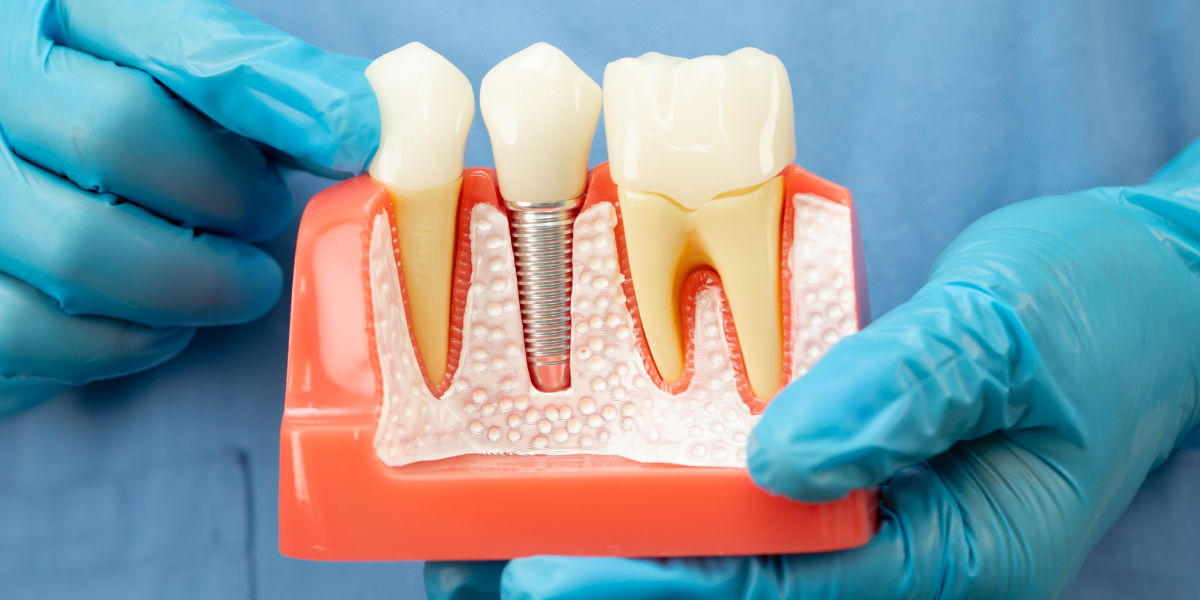
Losing a tooth can feel stressful, especially if you have been told you have low bone density. Many people hear that their jawbone is too weak and assume dental implants are not possible. That can be discouraging.
The good news is that modern dentistry offers many solutions. Even if you have bone loss, you may still qualify for treatment. Careful planning and advanced technology have changed what is possible.
If you are looking for a dental implant Miami Beach provider and have concerns about bone loss, you still have options. From advanced imaging to specialized jawbone loss treatment, dentists can often rebuild support and restore your smile. This guide explains what low bone density means, who qualifies for implants.
Why Bone Density Matters For Dental Implants
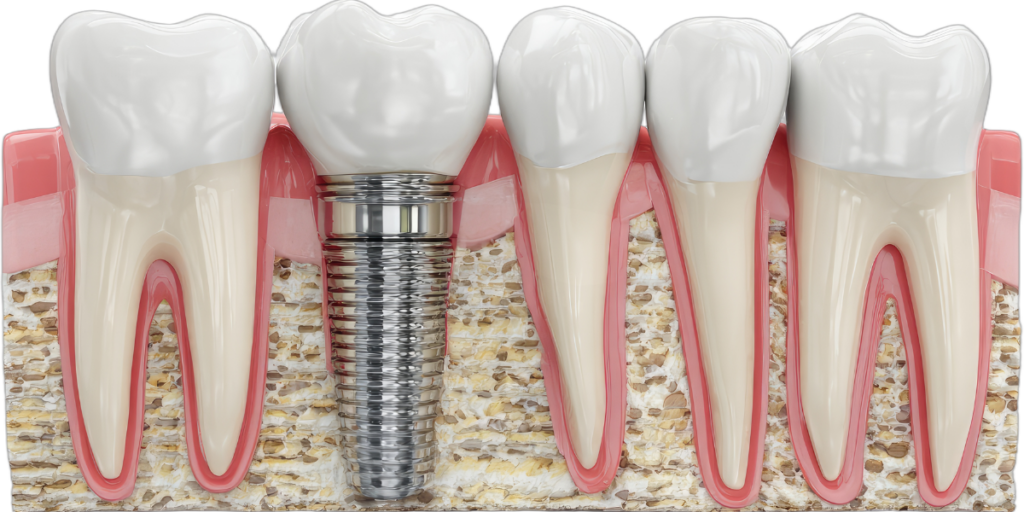
Dental implants need strong bones to stay secure. Understanding how bone supports an implant helps you see why density is important.
How Dental Implants Rely On Bone Support
A dental implant is a small titanium post placed in the jawbone. Over time, it bonds with the bone through a process called osseointegration. For this bond to work, the bone must have enough thickness and strength. Dentists review implant bone support options if the bone seems weak. Patients often ask about osteoporosis and dental implants. In many cases, implants are still possible with proper planning.
Bone Resorption After Tooth Loss
Bone resorption after tooth loss starts soon after a tooth is lost. The jawbone shrinks because it no longer gets pressure from chewing.
As the bone becomes thinner, it may lose height and width. This can change your facial shape and bite. Waiting too long may increase the need for jawbone loss treatment before placing an implant.
Osteoporosis And Dental Implants
Many people worry that osteoporosis and dental implants do not mix. Osteoporosis lowers bone density, but it does not always prevent implant treatment.
Studies show good success rates when the case is planned carefully. A detailed implant consultation on Miami Beach helps your dentist review your health history and bone condition. Working with your doctor may also be part of the process.
Can You Get Implants With Low Bone Density?
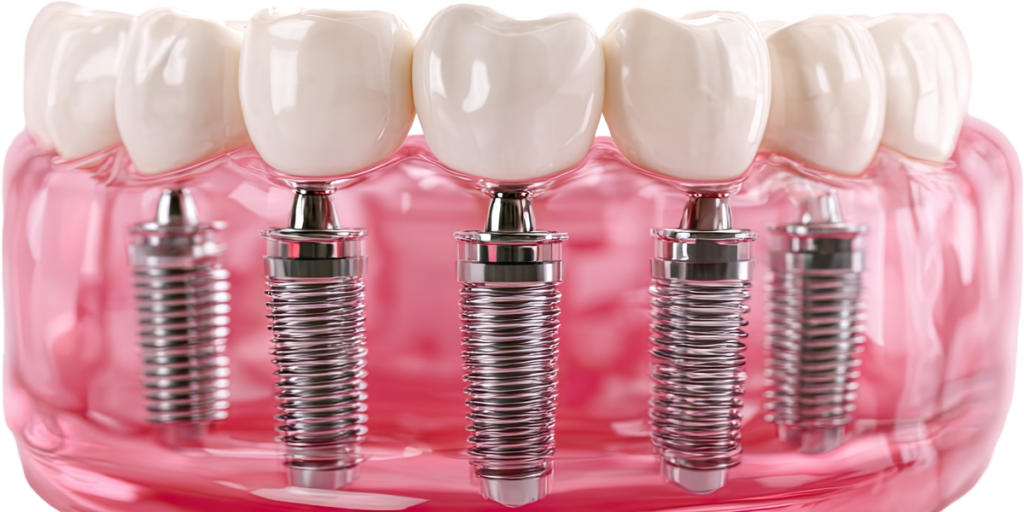
Low bone density does not mean you are out of options. Many patients still qualify with the right care plan.
The Short Answer — Often, Yes
Yes, many patients can receive a low bone density dental implant. The key is careful testing and planning. Advanced scans measure bone strength in different areas of the jaw. This helps your dentist decide on the safest approach. With the right strategy, a dental implant procedure may still be successful.
What Is The Minimum Bone Density For Dental Implants?
There is no single number that works for everyone. Bone density changes depending on the area of the jaw. The upper back jaw often has softer bone than the lower front jaw. Three-dimensional scans show if extra support is needed. Your dentist may suggest special implant bone support options if bone levels are low.
What If There Is Not Enough Bone For Implants?
If the bone is too thin, it can often be rebuilt. Modern jawbone loss treatment methods help grow new bone. Bone grafting is a common solution. In some cases, angled implants can avoid weak areas. A full implant consultation helps determine the safest and most effective plan.
Treatment Options For Patients With Low Bone Density
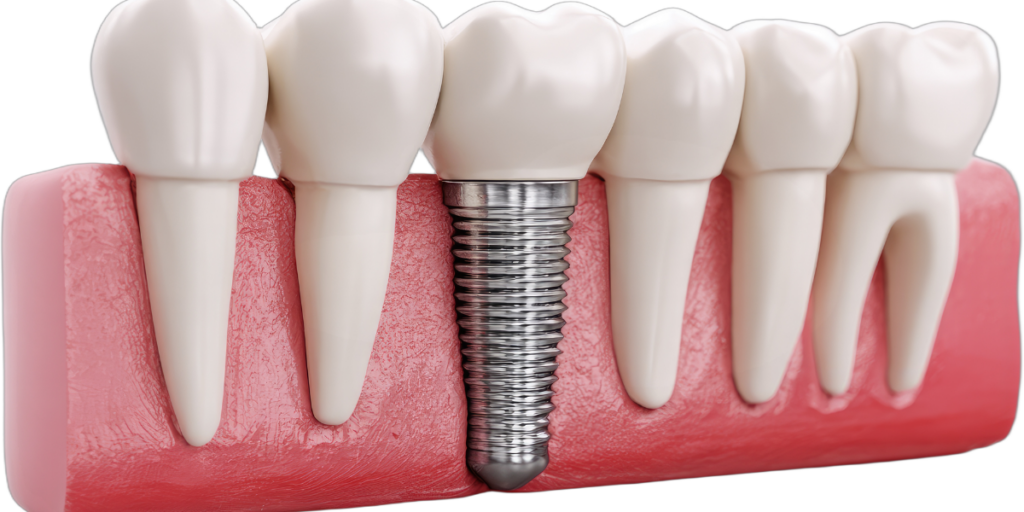
There are several ways to improve bone strength before placing implants. Your dentist will recommend the best option for your needs.
Bone Grafting
Bone grafting adds bone material to weak areas. Over time, your body forms new bone around the graft. This is a common type of jawbone loss treatment before implants. It improves available bone and expands implant bone support options. Healing time depends on the size of the graft.
Sinus Lift Procedure
A sinus lift procedure is used when the upper jaw does not have enough height for implants. The dentist gently lifts the sinus membrane and places bone material underneath.
This creates space for new bone to grow. After healing, implants can be placed safely. It is often used for missing upper back teeth.
Mini Implants
Mini implants are thinner than regular implants. They can fit in narrow areas where bone width is limited. They may be helpful when traditional implant bone support options are not ideal. Mini implants are often used to stabilize dentures. Your dentist will decide if they are strong enough for your case.
All-on-4® Dental Implants
All-on-4 uses four implants to support a full arch of teeth. The implants are placed in areas with stronger bone. This approach often reduces the need for large jawbone loss treatment procedures. It can help patients with severe bone resorption after tooth loss. It provides a stable and fixed solution.
Zygomatic Implants
Zygomatic implants are placed in the cheekbone instead of the upper jaw. This is used for very severe bone loss. They expand available implant bone support options for complex cases. This treatment requires advanced training and detailed imaging.
What Disqualifies You From Dental Implants?
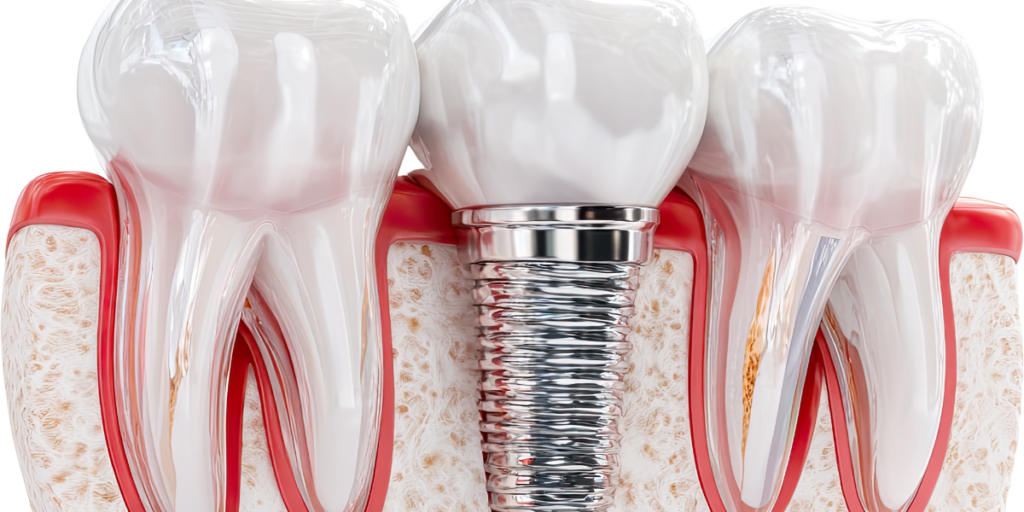
Most patients qualify for implants, but some conditions can delay treatment.
Uncontrolled Medical Conditions
Conditions like uncontrolled diabetes or active cancer treatment can affect healing. During your implant consultation, your dentist reviews your health history. Medical conditions may need to be managed before surgery.
Heavy Smoking
Smoking reduces blood flow and slows healing. It raises the risk of implant failure. Patients seeking a dental implant are often advised to quit or reduce smoking. Better healing improves success rates.
Poor Oral Hygiene
Healthy gums are important for implant success. Gum disease must be treated first. Good brushing and flossing protect your implant bone support options. Regular dental cleanings are also important.
Certain Medications
Some medicines, including those used for osteoporosis and dental implant concerns, may affect healing. Your dentist will review all medications carefully. Clear communication helps create a safe plan.
Who Is A Poor Candidate For Dental Implants?
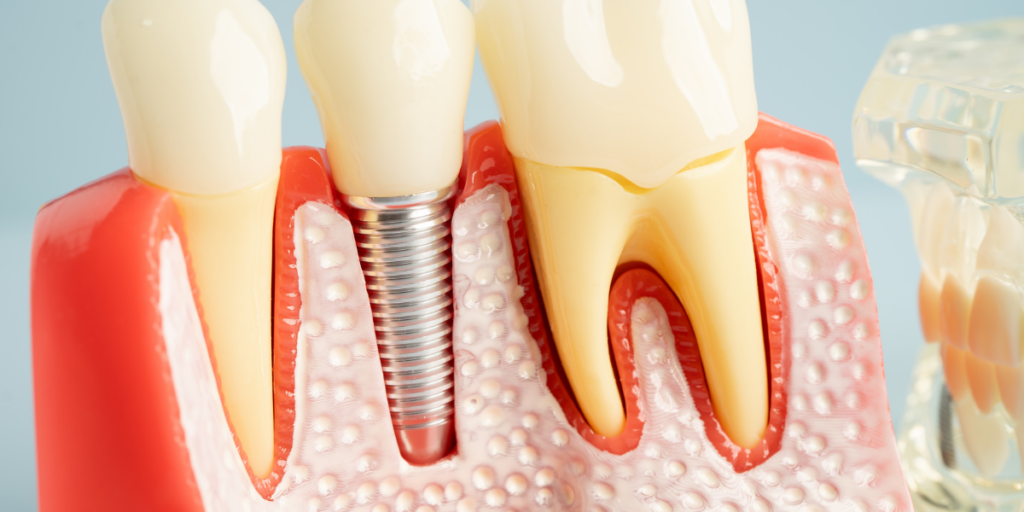
A small number of patients may not qualify right away. Many can still become candidates with treatment.
Patients With Untreated Periodontal Disease
Gum disease causes infection and bone resorption after tooth loss. Inflamed gums and weak bone reduce implant stability. Treating the infection first improves success.
Individuals With Severe Untreated Bone Loss
Severe bone loss may require advanced jawbone loss treatment before implants. This may involve grafting or other procedures. A step-by-step plan outlines what to expect.
Patients Unable To Commit To Follow-Up Care
Dental implants require regular checkups. Ongoing care keeps the gums and bone healthy. Patients must attend follow-up visits to protect their investment. Long-term maintenance supports strong results.
Success Rates Of Implants In Patients With Osteoporosis

Many patients with osteoporosis still have successful implants. Careful planning makes a big difference.
What Research Shows
Research on osteoporosis and dental implants shows high success rates. ith proper evaluation and monitoring, results are similar to those of patients without osteoporosis. Medical guidance supports safe healing.
Importance Of Customized Planning
Bone testing helps decide if a low bone density dental implant is right for you. Digital scans guide implant size and placement. Customized planning improves safety and long-term stability.
Alternative Solutions If Implants Aren’t Right For You
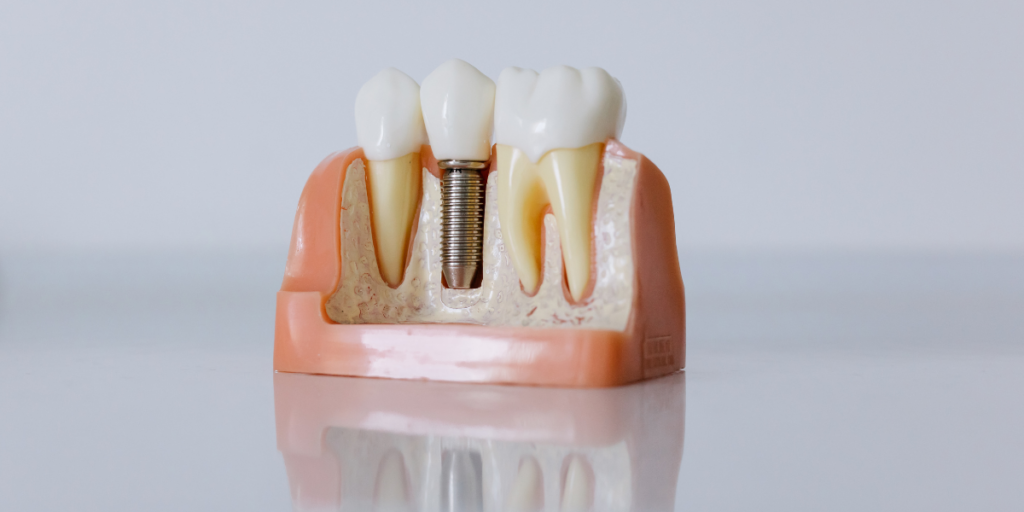
If implants are not the best option, other treatments can restore your smile.
Dental Bridges
Dental bridges replace missing teeth by attaching to nearby teeth. If a dental implant procedure is not advised, a bridge may work well. It restores function and appearance.
Implant-Supported Dentures
Implant-supported dentures use a few implants for extra stability. They rely on available implant bone support options for strength. They feel more secure than traditional dentures.
Modern Full And Partial Dentures
Modern dentures look natural and feel comfortable. For patients with advanced bone resorption after tooth loss, dentures remain a practical solution. They improve chewing and speech.
Why Early Evaluation Matters
Seeing a dentist early can prevent bigger problems later. Quick action often leads to simpler treatment.
Preventing Further Bone Resorption
Replacing missing teeth quickly reduces bone resorption after tooth loss. Implants stimulate the jaw and help keep bone strong. Waiting may increase the need for grafting.
Protecting Bite Alignment
Missing teeth allow other teeth to shift. This may lead some patients to search for Orthodontic Treatment Near Me later. Replacing teeth early helps protect alignment.
Comprehensive Smile Planning
If bite problems exist, coordination with an Orthodontist may help. Combining orthodontic and implant care creates balanced results. A team approach supports full smile health.
What To Expect During Your Implant Consultation

Knowing what happens at your visit can ease anxiety. The process is clear and structured.
Advanced Imaging And Bone Assessment
3D scans measure bone thickness and density. They help decide if a low bone density dental implant is possible during your implant consultation in Miami Beach. Accurate imaging guides safe placement.
Personalized Treatment Plan
Your dentist explains options such as grafting or a sinus lift procedure. You will review timing, healing, and costs. Clear steps help you feel confident.
Comfort-Focused, Modern Care
Patients seeking a dental implant in Miami Beach can expect modern technology and gentle care. Flexible scheduling helps busy families and professionals. Education and clear answers are part of every visit.
Why Choose Cupo Dental For Dental Implants In Miami Beach?
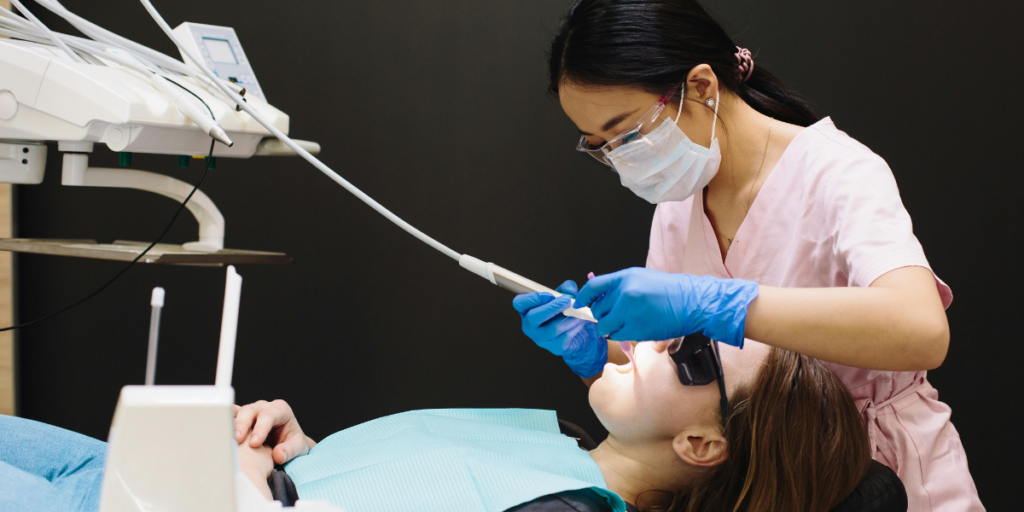
Choosing the right dental team matters. Experience and technology improve results. Cupo Dental offers preventive, cosmetic, and restorative services in one location. From exams to advanced dental implant procedures, care is coordinated smoothly. Each implant consultation on Miami Beach supports your long-term goals.
Advanced Technology For Precise Implant Planning
Digital imaging helps assess bone density and identify the best implant bone support options. When needed, jawbone loss treatment or a sinus lift procedure is carefully planned. Technology improves accuracy and safety.
Personalized, Patient-Focused Treatment
Your health history, including concerns about osteoporosis and dental implants, is reviewed in detail. Every low bone density dental implant plan is customized. The team focuses on comfort and clear communication.
A Long-Term Partner In Your Oral Health
Cupo Dental is committed to lasting results. Patients receive ongoing support and follow-up care. Your smile and oral health remain the top priority.
Conclusion
Low bone density does not mean you must give up on dental implants. Many patients qualify with proper testing and planning. Treatments such as grafting, advanced implant designs, and careful medical review make restoration possible.
If you are considering a dental implant in Miami Beach, the first step is a detailed implant consultation. The team at Cupo Dental will evaluate your bone health, explain your options, and design a safe plan tailored to you.
Contact Cupo Dental today to schedule your consultation and take the next step toward restoring your smile with confidence.