

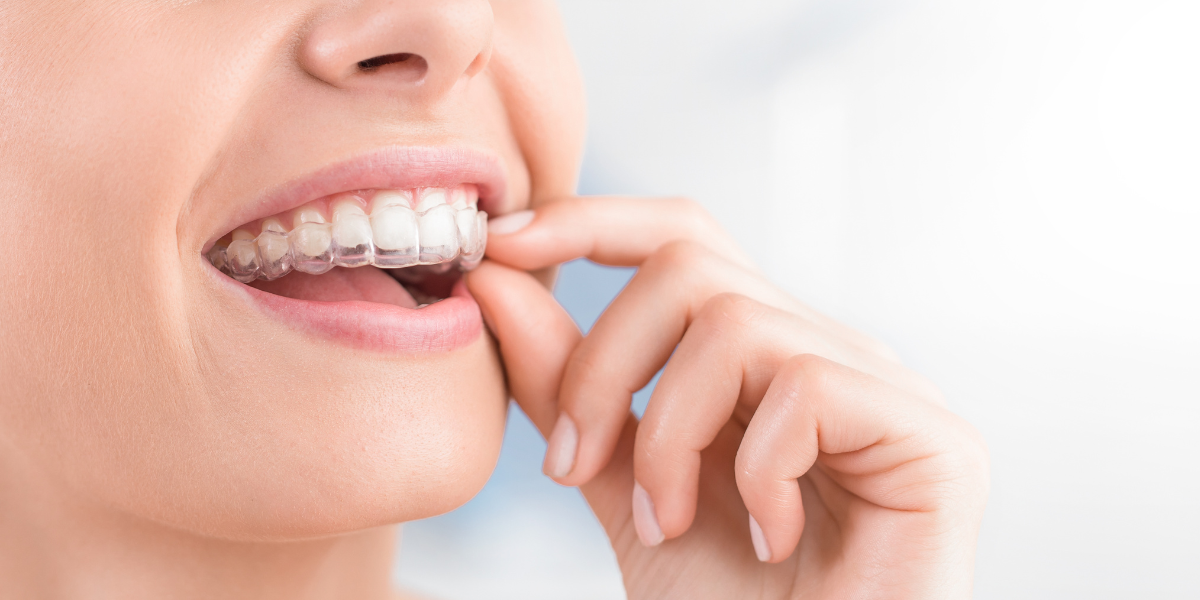
Many people believe that once braces come off, their orthodontic journey is finished. Then months or years later, they notice a slight shift in their smile. A small gap reappears. Lower teeth begin to crowd. The change can feel frustrating.
The reassuring news is that Invisalign after braces is a very common solution. If your teeth have moved, you are not alone. Clear aligners are a private and comfortable solution to get them back into place without having to go back to metal brackets.
Why Teeth Shift After Braces (Orthodontic Relapse Explained)

Teeth are supported by living tissue and bone that continue to adapt throughout life. Even after orthodontic treatment, subtle forces from chewing, aging, and daily habits can influence alignment. Understanding why relapse happens helps remove embarrassment and encourages early action.
Many patients who experience movement later choose Invisalign after braces to restore balance before the shifting becomes more noticeable.
What Is Orthodontic Relapse?
Orthodontic relapse occurs when teeth drift back to their original positions after braces are removed. The fibers and ligaments around each tooth have memory. Without consistent retainer use, they can gently pull teeth out of alignment over time.
Several factors contribute to relapse:
- Skipping retainer wear
- Natural changes in jaw structure
- Teeth grinding or clenching
- Gradual crowding in the lower front teeth
When identified early, mild relapse can often be corrected efficiently with Invisalign after braces, avoiding another full course of traditional braces.
A Better Smile Is Just One Call Away
Whether it’s preventive care or a full smile makeover, we’re ready when you are.
How Common Is Post-Braces Alignment Correction?
Alignment changes after braces are very common. Many adults return for a small orthodontic adjustment years after their original treatment. Life gets busy, retainers are forgotten, and teeth respond to everyday pressure.
Choosing Invisalign after braces for minor shifting does not mean your initial braces failed. Teeth continue to move throughout adulthood. Clear aligner therapy offers a subtle way to restore alignment while fitting comfortably into work and social life.
When to See an Orthodontist Near You
If you notice changes, it is wise to schedule an evaluation sooner rather than later. Early correction is often simpler and quicker.
You may benefit from an assessment if you notice:
- Front teeth beginning to overlap
- A retainer that feels tight or no longer fits
- Small gaps reopening
- Bite pressure that feels uneven
Addressing these concerns promptly with Invisalign after braces can prevent larger corrections later.
Can You Really Get Invisalign After Braces?
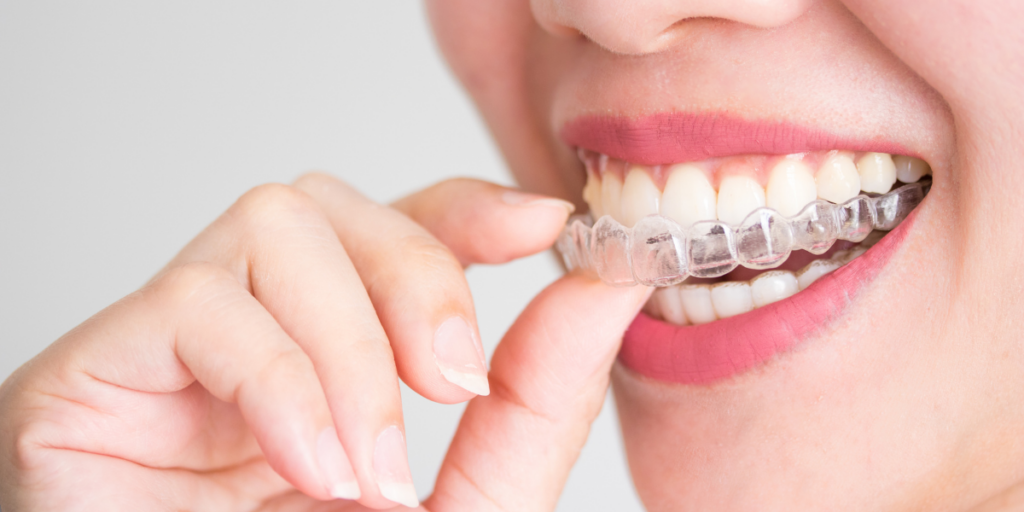
Yes, and this situation is extremely common in orthodontic offices. Clear aligners are frequently used to refine alignment or correct mild relapse years after braces were removed.
Because your teeth have already been guided once, Invisalign after braces often focuses on small, precise movements.
Yes, And It’s a Very Common Scenario
Orthodontists regularly see patients who had braces in their teens and now want a subtle adjustment as adults. Invisalign after braces works well for small gaps, minor rotations, and light crowding.
Clear aligners are popular among professionals, parents, and teens who prefer a low-profile option. The trays are nearly invisible and removable, which allows daily routines to continue without disruption.
It’s Often Faster Than Your First Round of Braces
Teeth that have previously been aligned tend to respond efficiently to minor movement. The surrounding bone has adapted before, which can support quicker refinement.
Many patients complete Invisalign after braces within several months, depending on the complexity of the case and how consistently the aligners are worn. The timeline is usually shorter than a first full orthodontic treatment.
You Can Even Switch Mid-Treatment
In certain cases, patients who begin with traditional braces choose to transition to aligners to complete their treatment. This can improve comfort and appearance during the final stages.
Refinement aligners can also be used after braces to fine-tune small details. Whether correcting relapse or polishing final results, Invisalign after braces offers flexibility in treatment planning.
Why Invisalign Is Ideal for “Second-Time” Orthodontic Patients
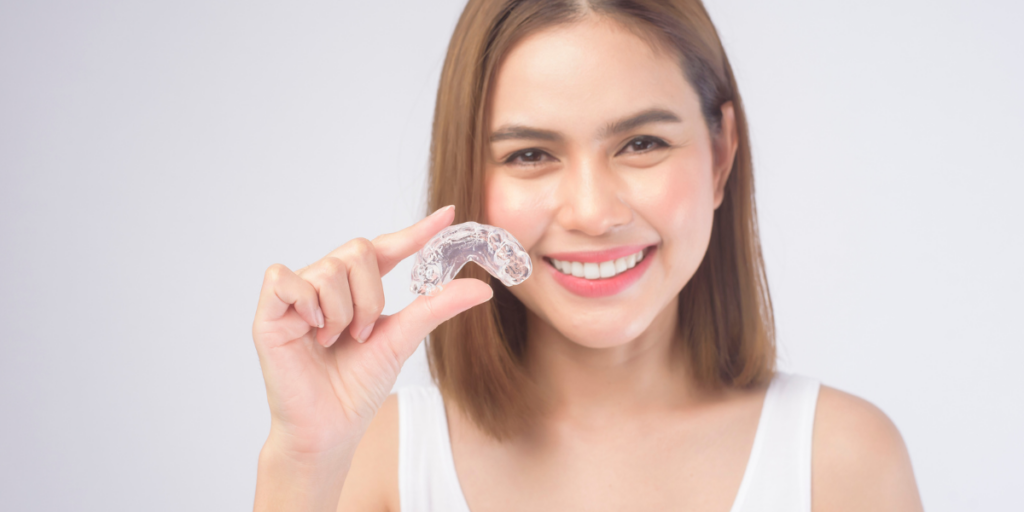
Patients who have already experienced braces understand how orthodontic treatment works. They are familiar with adjustments, timelines, and the importance of follow-up care. That background often makes aligner therapy a smooth experience.
For many people, Invisalign after braces feels like a practical way to maintain the smile they worked hard to achieve.
Perfect for Retainer Neglect
It is common for patients to say they stopped wearing their retainer consistently. Schedules change, routines shift, and the habit fades.
When teeth begin to move, Invisalign after braces provides a gentle way to guide them back into position. The smooth trays apply steady pressure without brackets or wires.
A Better Smile Is Just One Call Away
Whether it’s preventive care or a full smile makeover, we’re ready when you are.
Your Teeth Are Already Conditioned to Movement
Teeth that have undergone orthodontic treatment before often respond predictably to small adjustments. The bone has remodeled in the past, which can support controlled refinement.
This makes Invisalign after braces well-suited for mild crowding or subtle bite improvements. Progress is typically steady when aligners are worn as directed.
Easier Maintenance Than Traditional Braces
Clear aligners offer convenience that many second-time patients appreciate. With Invisalign after braces, you can:
- Remove trays during meals
- Brush and floss normally
- Avoid food restrictions
- Experience fewer urgent visits for repairs
This flexibility allows orthodontic care to fit comfortably into daily life.
Who Is a Good Candidate for Clear Aligners After Braces?
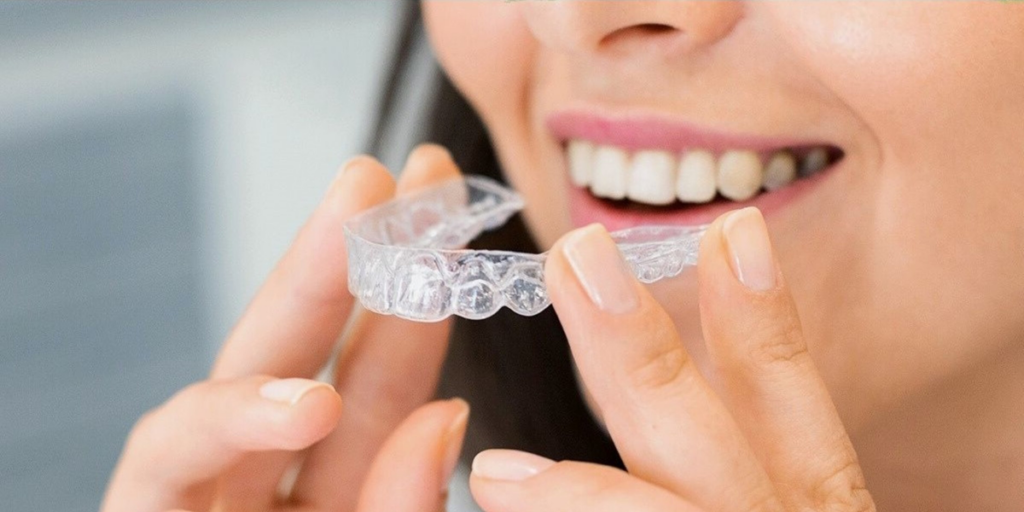
Not every alignment issue requires full braces again. Many relapse cases involve small movements that respond well to aligners.
If you are considering Invisalign after braces, candidacy depends on the severity of shifting and overall oral health.
Mild to Moderate Shifting
Good candidates often have:
- Light crowding in the front teeth
- Small gaps reopening
- Slight tooth rotations
- Minor bite correction needs
These concerns frequently respond well to Invisalign after braces, especially when treated early.
Adults Seeking Discreet Treatment
Adults often prefer a subtle solution that fits into professional and social settings. Aligners are clear and removable, which allows conversations and meetings to feel natural.
For many working adults, Invisalign after braces provides a practical way to refresh their smile without drawing attention.
Teens Who Want an Alternative to Braces
Teens who notice shifting may feel discouraged about wearing braces again. Clear aligners offer a comfortable and low-profile alternative.
Because they are removable, Invisalign after braces allows teens to maintain oral hygiene and participate in activities without the challenges of brackets.
What Most People Don’t Know About Invisalign After Braces
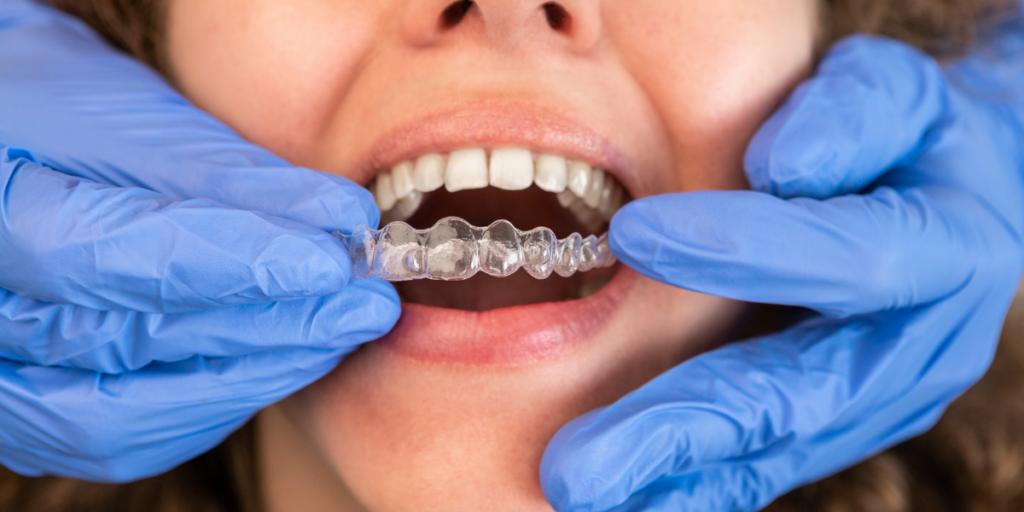
There are common assumptions about aligner therapy that do not always reflect reality. Some people expect long timelines or constant discomfort.
In practice, Invisalign after braces is often efficient, focused, and comfortable when used for mild relapse.
Treatment May Be Shorter Than You Think
When only small adjustments are needed, treatment typically involves fewer aligners. This can shorten the overall timeline.
Many patients find that Invisalign, after braces, is completed within several months, depending on their individual case and consistency.
Refinement Aligners Can Fine-Tune Results
After the initial aligner series, small refinements may be recommended. These trays address tiny details that improve symmetry and bite balance.
Refinement helps Invisalign after braces deliver both aesthetic improvement and functional alignment.
It’s Designed for Comfort
Clear aligners are crafted from smooth plastic that rests gently against the teeth. Patients usually describe the sensation as pressure rather than pain.
Those choosing Invisalign after braces often appreciate the absence of wire tightening appointments and bracket irritation.
It Protects Long-Term Oral Health
Because aligners are removable, brushing and flossing remain straightforward. This supports healthy gums and cleaner tooth surfaces.
By correcting crowding and supporting hygiene, Invisalign after braces can contribute to healthier long-term oral conditions.
A Better Smile Is Just One Call Away
Whether it’s preventive care or a full smile makeover, we’re ready when you are.
What Might Disqualify You from Invisalign?
While aligners are highly effective for many patients, they are not ideal for every orthodontic concern. A thorough examination determines the safest and most predictable option.
Although many relapse cases qualify for Invisalign after braces, certain conditions require alternative approaches.
Severe Bite or Jaw Issues
Significant skeletal discrepancies, pronounced overbites, or complex crossbites may need traditional braces or surgical evaluation.
If the concern extends beyond a mild relapse, your provider may recommend an alternative treatment path rather than relying solely on Invisalign after braces.
Poor Compliance
It is necessary to wear aligners for 20 to 22 hours per day. Dedication is necessary because they are detachable.
Patients who struggle with consistent wear may experience slower progress with Invisalign after braces.
Active Gum Disease or Untreated Dental Issues
Healthy teeth and gums are required before beginning orthodontic movement. Cavities and periodontal concerns should be treated first.
Once oral health is stable, many individuals can safely move forward with Invisalign after braces.
Choosing the Right Invisalign Provider in Miami Beach, FL
Selecting a provider with experience in relapse prevention can improve comfort and outcomes. Careful planning supports predictable movement.
If you are exploring Invisalign after braces, look for a practice that combines clinical expertise with modern digital tools.
Experience With Post-Braces Cases
Relapse cases require detailed evaluation of previous tooth movement and retention history. An experienced provider understands these nuances.
Working with a clinician familiar with Invisalign after braces supports thoughtful treatment design and steady progress.
Modern Technology
Digital scans replace traditional impressions and improve comfort. Three-dimensional planning allows patients to preview expected results.
Advanced tools help guide Invisalign after braces with precision and clarity.
Comprehensive Dental Care in One Location
A practice that offers preventive, restorative, and cosmetic services provides continuity of care. Coordination between treatments supports stable results.
Integrated care allows Invisalign after braces to become part of an overall oral health strategy.
Why Patients Trust Cupo Dental for Invisalign After Braces in Miami Beach
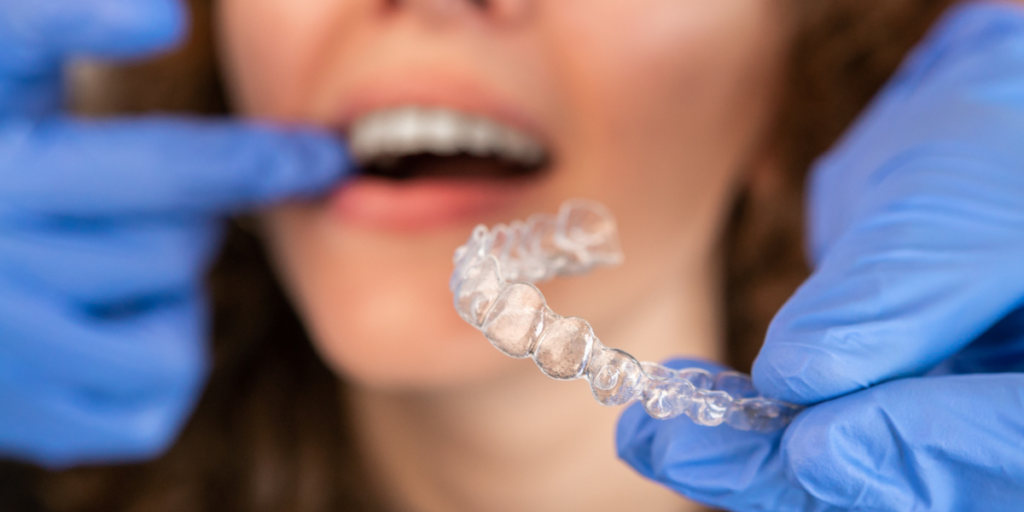
Choosing the right dental team brings peace of mind. At Cupo Dental, we understand how disappointing it can feel to see teeth shift after years of enjoying your smile. We pay close attention, explain your choices clearly, and design a plan that works for you.
Comprehensive Care Under One Roof
At our Miami Beach office, we provide preventive, restorative, cosmetic, and aligner therapy in one welcoming space. We thoroughly evaluate your oral health before beginning treatment to ensure healthy gums and teeth support your alignment.
Personalized Invisalign Treatment After Braces
We use advanced digital scanning to map each stage of movement with precision. Our team designs every Invisalign after braces plan around your unique smile, whether you need light refinement or targeted correction.
A Comfortable, Patient-Focused Experience
We help you with clear communication and dedicated care from your first visit to your last retainer check. Our goal is to help you feel confident and informed throughout your Invisalign after braces journey.
Conclusion
Teeth shifting after braces can be common and discouraging. Fortunately, a gentle correction is available.
For many individuals, Invisalign after braces offers an efficient and discreet way to restore alignment. With consistent wear and proper retention afterward, your refreshed smile can remain stable for years.If you’ve observed small changes in your teeth, please make an appointment at Cupo Dental. We will evaluate your smile and determine whether Invisalign after braces is the right approach for you.
Frequently Asked Questions About Invisalign After Braces
Is it normal to have Invisalign after braces?
- Yes, many patients seek aligners when they notice mild relapse. At Cupo Dental, we evaluate your smile and create a personalized Invisalign after braces plan tailored to you.
What disqualifies you for Invisalign?
- Severe bite issues or untreated gum disease may require a different treatment approach. At our office, we perform a detailed exam to determine whether Invisalign after braces is a good fit for your needs.
Why do people quit Invisalign?
- Inconsistent aligner wear is the most common reason for slow progress. We guide our patients closely and provide support throughout their Invisalign after braces treatment.
What is the hardest week of Invisalign?
- The first week usually feels like the biggest adjustment as teeth respond to pressure. We stay connected with you and answer questions during the early phase of Invisalign after braces.
Will teeth shift after Invisalign?
- Yes, teeth can move again without proper retainer use. We provide custom retainers and follow-up care after Invisalign and braces to help maintain results.
What are the 5 stages of braces?
- Consultation, placement, active alignment, bite correction, and retention. We explain each phase clearly and continue supporting you long after Invisalign, after braces are complete.