
When you need an emergency dentist in Miami Beach, the experience should feel calm, attentive, and designed to ease your worries from the moment you arrive. At Cupo Dental, our team understands how disruptive a dental emergency can be, and we take pride in providing care that is both efficient and beautifully considered. Whether you're dealing with sudden pain, a damaged tooth, or another unexpected dental concern, our approach is always tailored to your comfort and long-term well-being.
Key Takeaways
- Emergency dentistry addresses urgent dental issues like severe pain, infection, and trauma, with the goal of preserving oral health and function.
- Call 911 or go to the ER for uncontrollable bleeding, facial trauma, or if you have difficulty breathing or swallowing.
- The cost of emergency dental care depends on the complexity of the issue, the treatment required, and whether you have insurance coverage.
- Cupo Dental offers financing through CareCredit and Proceed to help patients access considered, quality emergency dental care.
What Is Emergency Dentistry?
Emergency dentistry is the branch of dental care focused on diagnosing and treating urgent dental problems that require immediate intervention, such as severe pain, infection, or traumatic injury.
If you find yourself suddenly dealing with a dental crisis—like a tooth being knocked out or intense pain—access to an emergency dentist in Miami Beach becomes crucial. Acting quickly may preserve your natural tooth and help you avoid longer-term complications.
Each emergency appointment is designed around your immediate needs. For instance, a patient who arrives with a recently broken tooth might receive stabilization that prevents further injury, while someone with swelling could see rapid relief. Timely care can also reduce the likelihood of more complex procedures down the line.
What should I do if I am in pain right now?
Focus on gentle, clinical comfort steps while arranging professional care. Rinse your mouth with warm water to keep the area clean. Apply a cold compress externally for swelling, and use over-the-counter pain relief as directed. Stay upright, breathe slowly, and avoid chewing on the affected side. Seek professional evaluation promptly for the best outcome.
Taking slow, deep breaths and keeping your head elevated can make it easier to manage discomfort while you prepare for your dental visit. Using a cold compress for 10-20 minutes at a time may help reduce swelling and provide temporary relief.
Watch for any changes, such as swelling spreading to your jaw or face, difficulty opening your mouth, or a fever. If these occur, notify your dentist immediately. Some symptoms may signal a deeper infection or a need for urgent medical care, so don't delay professional evaluation.
When to Call 911 or Go to the ER
Call 911 or go to the emergency room immediately if you experience uncontrollable bleeding, facial trauma, severe swelling, or difficulty breathing or swallowing, as these may indicate life-threatening conditions.
Hospitals have the resources needed to handle injuries like a fractured jaw or airway blockages, which go beyond what a dental office can safely manage. Emergency departments are equipped for urgent medical stabilization before any dental treatment can take place.
Symptoms such as confusion, loss of consciousness, or persistent dizziness alongside dental trauma signal a more severe health risk. After medical stabilization, follow-up with a dentist may be necessary to address damaged teeth or gums.
When to Call for the Earliest Available Appointment
You should schedule the earliest available dental appointment if you have severe pain, a broken or knocked-out tooth, a lost filling or crown, or signs of infection such as swelling or pus.
Delaying care can allow minor issues to escalate, sometimes turning a simple fix into a more involved problem. For example, an untreated cracked tooth may become infected, requiring additional treatment.
If you’re unsure how urgently you need to be seen, give the dental office a clear description of your symptoms. The staff can help you decide if you should come in right away or if there are safe steps you can take at home until your visit.
What to Expect at an Emergency Appointment
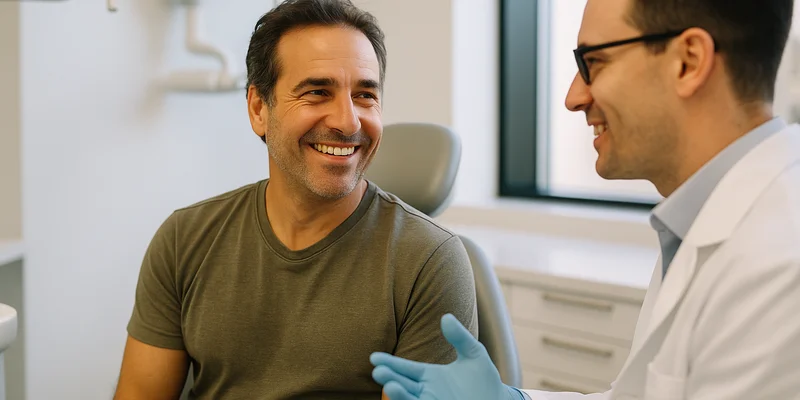
At an emergency appointment, you will experience a calm, stepwise evaluation and receive care designed to relieve discomfort and address your urgent dental concern as efficiently as possible.
After you check in, you’ll discuss your symptoms and health history before a focused examination, which may include X-rays. This initial stage is typically efficient yet unrushed, so you have time to share concerns or ask questions before any decisions are made.
If you need care beyond the first visit, such as a follow-up for a temporary restoration or additional treatment, your next steps and expected recovery timeline will be outlined. Many patients feel more at ease knowing what to expect and having a clear plan for their recovery.
What Can Emergency Dentistry Correct?
Emergency dentistry can correct urgent issues such as severe toothaches, dental abscesses, knocked-out or fractured teeth, lost fillings or crowns, and acute oral infections.
A person attending to a dental emergency, such as a broken front tooth, may see a dramatic improvement in their comfort and appearance after a single visit. This can be especially important if the patient has work or a special event soon after.
Beyond relief from pain, emergency dentistry can often restore the ability to eat and speak normally, helping patients regain confidence and resume daily activities quickly.
What Can't Emergency Dentistry Correct?
Emergency dentistry cannot address non-urgent cosmetic issues or replace planned, long-term restorative work; these are more appropriately managed with comprehensive, scheduled dental care.
Concerns like gradual tooth discoloration or the desire for a smile makeover with porcelain veneers are not emergencies and are best planned during routine visits. These services require careful discussion and personalized design.
If your needs are aesthetic rather than urgent, booking a consultation allows time for digital planning and thorough conversation about your goals, ensuring the best long-term results.
Who Is a Good Candidate for Emergency Dentistry?
A good candidate for emergency dentistry is anyone experiencing sudden, severe dental symptoms, trauma, or infection that requires prompt attention to protect oral health or prevent complications.
Visible dental injuries, swelling, or intense pain are clear signs that emergency dental care is warranted. For instance, a patient who fractures a tooth while eating would benefit from being seen quickly to reduce the risk of further damage or infection.
Those with ongoing medical conditions or only minor discomfort may need a more tailored approach. Their dentist might coordinate care with their physician, or suggest a scheduled rather than urgent visit based on their health history.
What Do Dentists Generally Recommend for Emergency Dental Care?

Dentists generally recommend seeking prompt professional evaluation for any dental emergency to alleviate pain, minimize complications, and preserve oral health as much as possible.
Most dental professionals agree that at-home remedies are only a short-term solution and should not replace professional evaluation. The American Dental Association publishes guidance encouraging quick assessment for urgent dental concerns to prevent escalation.
After the initial assessment, your dentist will recommend a personalized treatment plan based on your needs and overall health. Open communication during this process can help ensure you feel supported and informed every step of the way.
How much will emergency dental care cost me, and what are my insurance and financing options?
The cost of emergency dental care in Miami Beach depends on the severity of the problem, the treatment required, and your insurance coverage. Factors such as the complexity of the emergency, materials used, number of teeth involved, and need for additional diagnostic tests influence the cost. Dental insurance may offset some expenses, but coverage varies.
Less complex issues generally incur lower costs than major dental emergencies. Knowing your insurance benefits in advance can help reduce stress about payment and avoid surprises.
Cupo Dental partners with CareCredit and Proceed to make emergency care accessible, even if insurance does not cover every service. Scheduling a personal consultation is the best way to receive a clear, itemized estimate for your care.
What should I do after my emergency dental visit to ensure proper healing and recovery?

After your emergency dental visit, follow your dentist's aftercare instructions and attend any recommended follow-up appointments for continued healing and monitoring. The stages typically include relief and stabilization, followed by healing and possibly further restorative work. Your dentist will guide you on oral hygiene, dietary changes, and medications to aid recovery.
Managing post-visit discomfort is often easiest with soft foods and recommended pain relief, especially as numbness wears off. It’s important not to disturb the treated area until your dentist confirms healing is complete.
If you’re unsure about aftercare instructions or experience unexpected changes, reach out to your dental office for clarification. Establishing a routine for preventive care, such as regular cleanings, remains key to reducing the likelihood of future emergencies.
Ready to Get Started in Miami Beach?
Have questions, or ready to schedule a visit? Our team is here to help. Contact Cupo Dental or call (305) 771-0839 to schedule your consultation.
Book an Appointment Online
Frequently Asked Questions
When Is A Dental Issue A True Emergency?
A dental issue is a true emergency when it involves severe pain, uncontrollable bleeding, infection with swelling, or trauma such as a knocked-out or fractured tooth. Issues that threaten your ability to eat, speak, or breathe comfortably should be addressed without delay. If you're unsure, a consultation can help determine if urgent care is needed.
How Quickly Should I See A Dentist After A Knocked-Out Tooth?
You should see a dentist within 30 to 60 minutes after a permanent tooth is knocked out, as the chances of saving the tooth are highest in this window. Gently rinse the tooth without scrubbing, keep it moist in milk or saliva, and bring it to your appointment. Immediate attention increases the likelihood of successful reattachment.
What Do I Do If My Child Knocks Out A Baby Tooth?
If your child knocks out a baby tooth, avoid placing it back in the socket—this can harm the incoming permanent tooth. Contact your dentist for an evaluation to ensure no fragments remain and soft tissues are healthy. The dentist may recommend monitoring the area for healing and discuss next steps for your child’s dental development.
Is An Abscessed Tooth A Medical Emergency?
An abscessed tooth is a medical emergency if you experience significant swelling, fever, or trouble breathing or swallowing, which can signal spreading infection. In these situations, seek emergency care right away. For milder symptoms, urgent dental care will be needed to manage infection and pain.
How Can I Tell If I Have A Dental Abscess?
Signs of a dental abscess include severe, persistent toothache, swelling of the gums or face, sensitivity to temperature, a foul taste, or pus near the tooth. If you develop a fever or trouble swallowing, seek immediate medical care. Only a dentist can confirm the diagnosis and recommend the best course of treatment.
What Happens If A Dental Emergency Is Not Treated?
If a dental emergency is not treated, the underlying issue can progress, leading to more pain, infection, or the loss of a tooth. Infections may spread beyond the mouth and sometimes become dangerous. Prompt treatment offers the best chance to avoid long-term complications and protect your health.
Will My Dental Insurance Cover An Emergency Visit?
Dental insurance often covers at least part of an emergency dental visit, but your exact coverage depends on your plan and the procedures needed. It’s helpful to bring your insurance information to your appointment. The dental office can review your benefits and discuss available financing options if you have questions.
This article is for general informational purposes and does not constitute personalized dental advice. Your candidacy for any treatment requires a clinical evaluation by a qualified dentist. Individual results vary.