More patients are searching for natural alternatives to root canals because of concerns about invasiveness, potential toxicity, and long-term health impacts. The rise of holistic dentistry has introduced new approaches focused on preserving the tooth while supporting whole-body wellness.
Understanding Why Root Canals Are Recommended
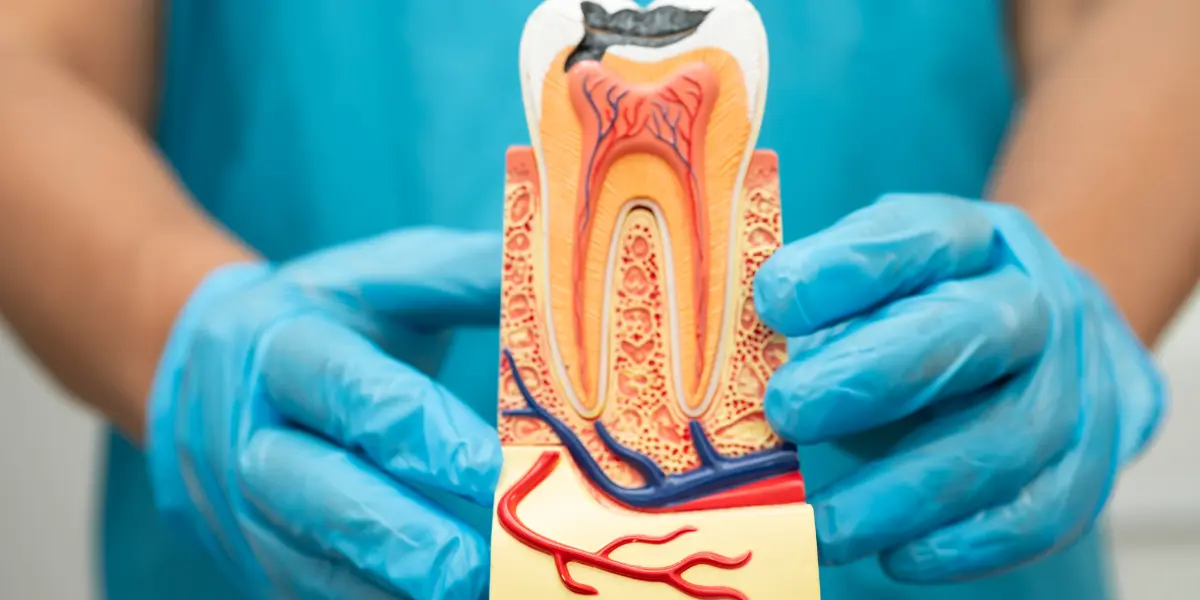
A tooth becomes infected when decay, trauma, or cracks allow bacteria to penetrate through the enamel and dentin into the pulp chamber. Once bacteria invade the soft inner tissue, the body cannot clear the infection on its own.
Root canals remain a frontline recommendation because they stop infection at its source without sacrificing the natural tooth. The procedure removes bacteria and damaged tissue while preserving the outer tooth structure. Most treated teeth are then protected with a dental crown.
Scientifically Supported Natural Alternatives
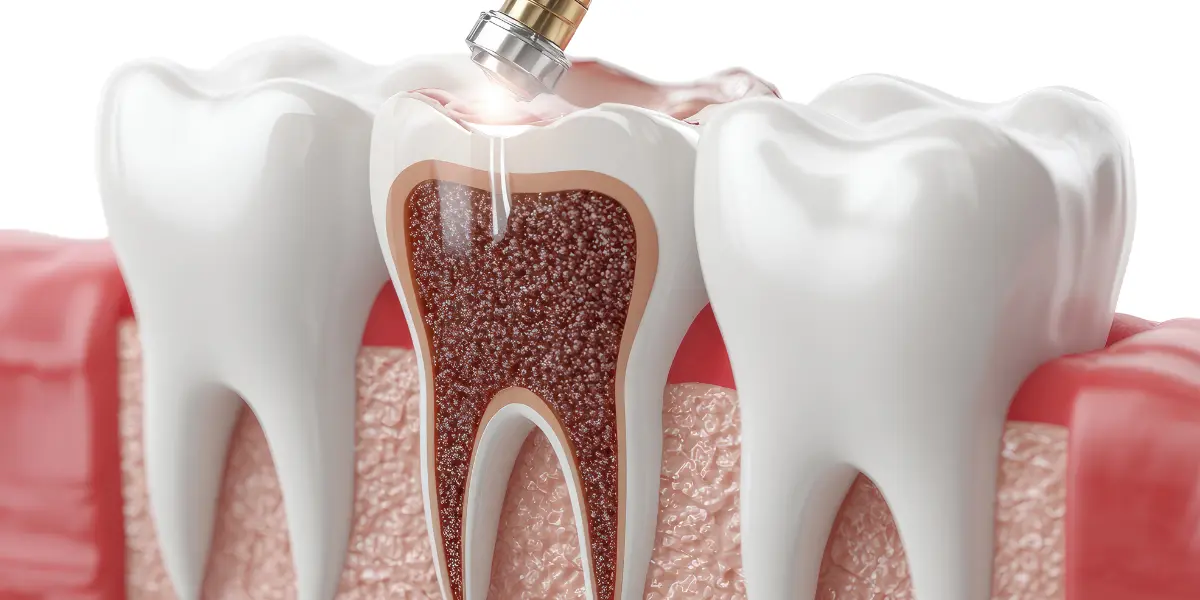
Modern holistic dental practices offer several evidence-informed, minimally invasive treatments for specific cases. Ozone therapy uses ozone gas or ozonated water to disinfect infected tissue without harsh chemicals.
Vital pulp therapy (pulpotomy) removes only the infected portion of the pulp while preserving the healthy tissue below, well-suited for early-stage infections. Biocompatible pulp capping uses materials like calcium silicate to seal exposed pulp and encourage natural repair. Laser bacterial reduction targets harmful bacteria precisely without affecting surrounding healthy tissue.
Natural Remedies That Support (But Don't Replace) Treatment
Clove oil contains eugenol, which provides temporary pain relief by numbing the area around an affected tooth. Garlic has antimicrobial properties when used topically. Oil pulling with coconut oil can reduce bacterial load.
Nutritional strategies help too: reducing sugar and processed foods removes fuel for oral bacteria, while increasing dietary calcium, phosphorus, vitamin C, and zinc supports tissue resilience. Toothpastes with hydroxyapatite can support remineralization of early decay.
When Extraction Is the Only Safe Option
A fully necrotic pulp with no remaining vital tissue eliminates the possibility of pulp-preserving therapies. Severe structural damage, deep fractures, or advanced bone loss around the root tip are indicators that extraction is necessary.
Biological extraction goes beyond simply removing the tooth, it includes the removal of the periodontal ligament to prevent residual chronic infection. Platelet-rich fibrin (PRF) is often applied to accelerate healing. Zirconia implants are increasingly popular for biocompatible replacement.
Frequently Asked Questions
What can I do naturally instead of a root canal?
In early-stage cases, ozone therapy, pulp capping, and remineralization techniques may offer viable alternatives. Herbal remedies can support symptoms but cannot replace clinical treatment.
Why do some holistic dentists avoid root canals?
Concern about residual bacteria in microscopic dentin tubules and a preference for fully removing the infected tooth or tissue rather than sealing potential contaminants inside the root.
Can holistic dentistry help with TMJ?
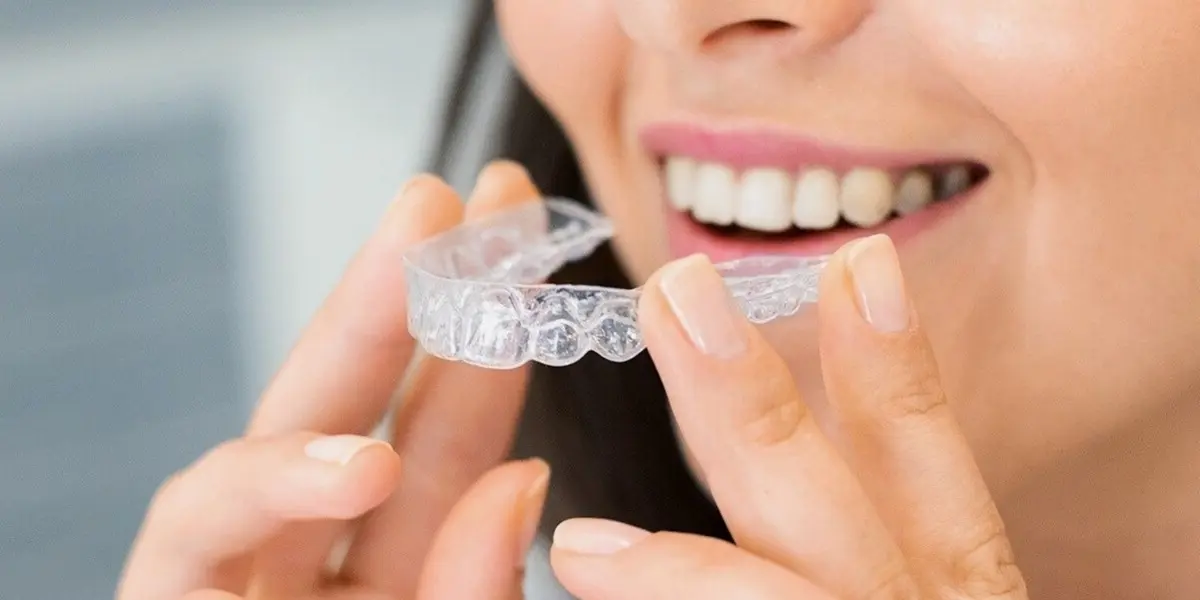
Yes. Bite alignment therapy, myofunctional exercises, and splint therapy are all tools holistic dentists use to address TMJ dysfunction.
What mineral helps rebuild teeth?
Calcium and phosphorus are the primary minerals involved in enamel repair. Magnesium and vitamin D support absorption.