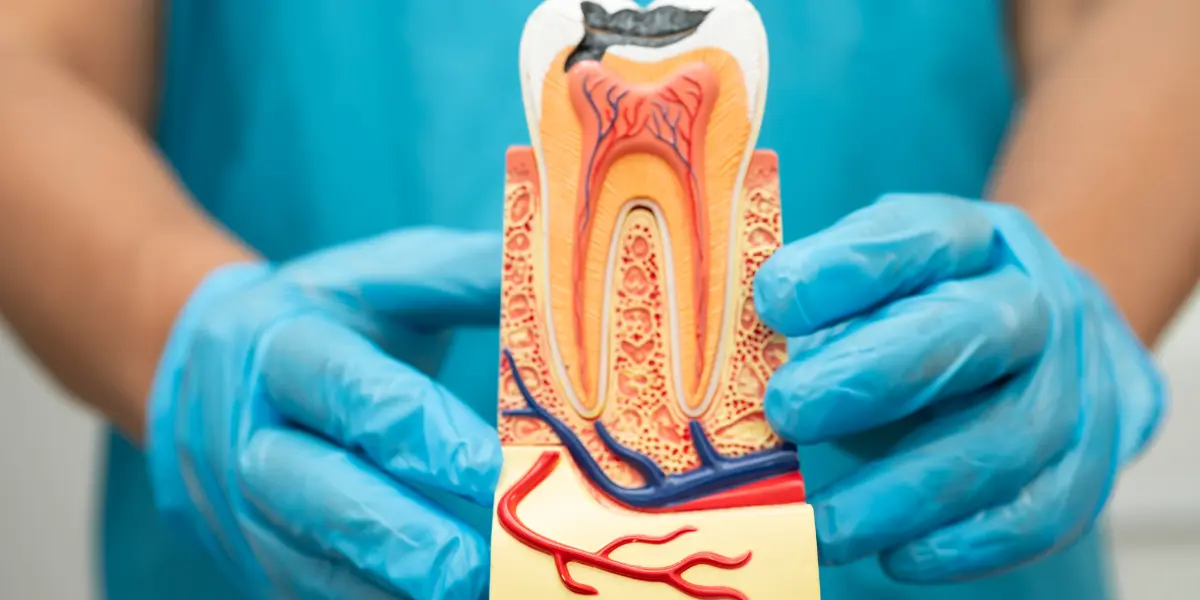
A root canal is designed to remove infection and relieve severe tooth pain, so many patients feel concerned when they experience soreness afterward. Mild to moderate discomfort after treatment is completely normal and usually temporary. Even though the infected nerve has been removed, the tissues surrounding the tooth still need time to recover and settle.
Why You May Feel Pain After a Root Canal
After a root canal, the tooth and surrounding tissues go through a healing phase. Temporary soreness, tenderness, or sensitivity is common as the body recovers from inflammation caused by infection.
Before treatment, the infected tooth often irritated the deep tissues and ligaments surrounding it. Even after the infection is cleared, the area may remain inflamed for a short time. Many patients report that the treated tooth feels bruised when biting down, this tenderness is expected for several days and fades gradually.
Root Canal Pain Timeline & What To Expect
Days 1 to 3 are when soreness feels most noticeable. Mild to moderate aching, tenderness, or pressure sensitivity is common, and over-the-counter pain medication usually provides effective relief.
By day 4 to 7, most patients notice clear improvement. Pain and sensitivity decrease steadily, and chewing becomes easier. After day 7, most patients experience little to no discomfort. In some cases, mild soreness can last up to two weeks, especially if the tooth had a severe infection before treatment.
Pain that continues beyond two weeks is not considered typical healing and warrants evaluation.
Red Flags to Watch For
Although mild soreness is expected, some symptoms may signal complications. Watch for pain that gets worse instead of better, severe throbbing pain or trouble sleeping, swelling, fever, or a bad taste in the mouth, and a tooth that feels 'high' when biting.
Sometimes the temporary filling or crown sits slightly too high after treatment. A simple bite adjustment often solves the issue quickly. If symptoms persist for more than two weeks, contact your dentist for evaluation.
Tips for Comfortable Recovery
Take anti-inflammatory medication as directed and eat soft foods during recovery, yogurt, scrambled eggs, soup, and mashed potatoes are good choices. Avoid hard, crunchy, or sticky foods during the first several days.
Chew on the opposite side of the mouth to protect the treated tooth. A cold compress applied for about 15 minutes at a time can help minimize swelling, especially during the first 24 to 48 hours.
Frequently Asked Questions
How long does pain last after a root canal?
Mild discomfort typically lasts 3 to 7 days. Some patients feel mild soreness up to two weeks, especially if the tooth had a severe infection before treatment.
When should I be concerned about post-root-canal pain?
Contact your dentist if pain worsens instead of improving, if you develop fever or swelling, or if discomfort persists beyond two weeks.
Can I take ibuprofen after a root canal?
Yes, over-the-counter ibuprofen or acetaminophen typically controls discomfort effectively. Follow your dentist's instructions on dosage.
Do I still need a crown after a root canal?
In most cases, yes. A crown protects and strengthens the treated tooth so it can return to full function for the long term.