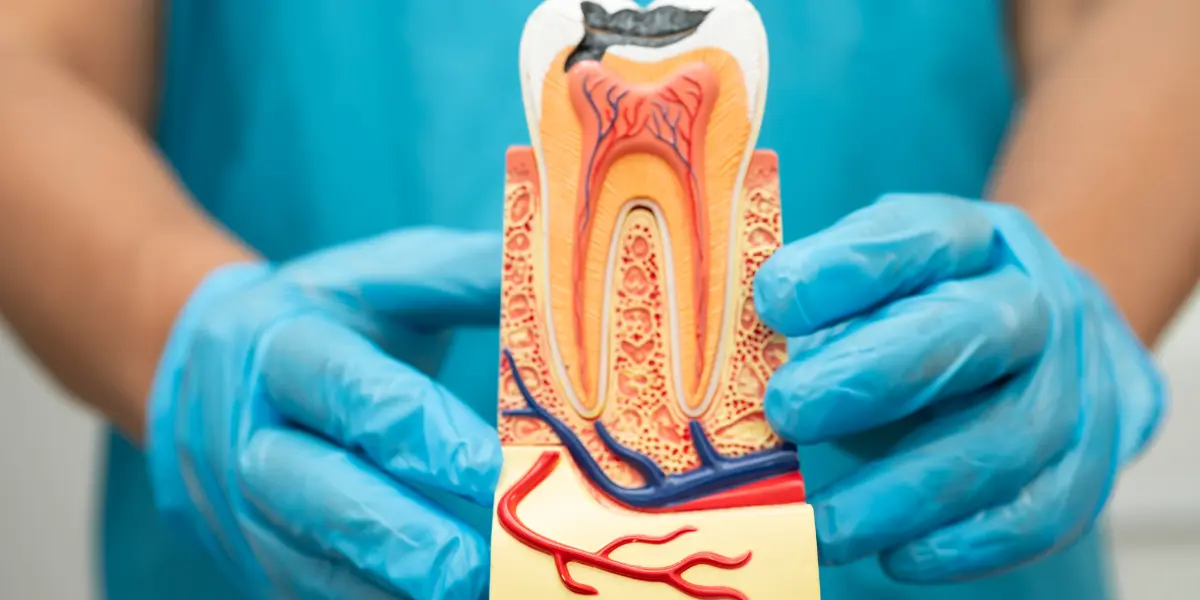
A toothache that lingers for days is never a minor issue. It can signal a serious underlying problem, such as deep infection or structural tooth damage, that demands prompt attention.
What Is a Persistent Toothache
A persistent toothache is pain that lasts more than one or two days and does not fade with rest or basic over-the-counter remedies. Unlike brief sensitivity from eating something cold or sweet, ongoing pain typically indicates a deeper issue.
Common causes include deep decay that has reached the nerve, a cracked or broken tooth that exposes sensitive inner layers, or a gum infection that has progressed into surrounding tissue. Each of these conditions worsens over time without treatment.
Warning Signs of a Dental Emergency
Severe, unrelenting pain that disrupts your sleep or does not respond to ibuprofen often points to nerve involvement or abscess formation. Swelling in the face, jaw, or gums typically indicates an abscess that needs immediate drainage.
A fever above 100.4°F alongside tooth pain suggests the infection is no longer contained. A persistent bad taste or visible pus near a tooth typically means an abscess has ruptured or is actively draining. A loose or knocked-out adult tooth, re-implantation is most successful within 30 to 60 minutes.
ER vs. Emergency Dentist
Go to the emergency room immediately for difficulty breathing or swallowing, infection spreading toward your eye/neck/chest, severe facial trauma, or signs of systemic infection (high fever, confusion, rapid heart rate).
Call an emergency dentist first for persistent tooth pain without breathing or swallowing issues, a broken or abscessed tooth that needs same-day evaluation, or any urgent dental need that doesn't involve airway compromise.
What to Expect at an Emergency Visit
Visit begins with a comprehensive exam and X-ray diagnosis. Pain relief is the first priority, local anesthesia, abscess drainage, or removal of the source of irritation.
Same-day treatment may include temporary restoration of broken teeth, antibiotic therapy for infections, or starting a root canal. While waiting for your appointment, rinse with warm salt water, apply a cold compress, and use over-the-counter pain relief (never aspirin directly on gums).
Frequently Asked Questions
At what point should I go to the ER for a toothache?
Head to the ER if you have difficulty breathing or swallowing, severe facial swelling, or signs that infection is spreading. Otherwise contact an emergency dentist for faster, targeted care.
How can I tell if a tooth infection is turning into sepsis?
Warning signs include high fever, rapid heart rate, confusion, and visibly spreading swelling. These are medical emergencies, call 911.
How long can you live with a tooth infection?
Untreated infections worsen over days to weeks. If bacteria enter the bloodstream, infection can become life-threatening. Early treatment is critical.
Can a toothache go away on its own?
Occasionally minor sensitivity resolves, but persistent or severe pain almost always indicates an underlying issue that requires treatment.