
When considering cosmetic and restorative dental options, many patients in Miami Beach ask about veneers vs crowns and which is right for their needs. We know that your smile goals and dental health are personal, so our team at Cupo Dental helps you understand the differences and guides you toward the best solution for your situation.
Key Takeaways
- Veneers cover only the front surface of teeth for cosmetic improvements, while crowns cover the entire tooth for strength and restoration.
- Veneers are best for healthy teeth with cosmetic concerns; crowns are necessary for teeth with significant damage or after root canal therapy.
- Both veneers and crowns can be crafted from porcelain, zirconia, or IPS e.max for a natural appearance and durability.
- Insurance may cover crowns if medically necessary, but veneers are typically considered a cosmetic procedure and are not usually covered.
Veneers vs Crowns: Which Is Right for You?
Veneers are ideal for cosmetic improvements to healthy teeth, while crowns are chosen when a tooth needs both structural support and aesthetic restoration.
Opting for veneers can be a confidence boost, especially if you have long-standing insecurities about minor flaws like chips or discoloration. Many patients are surprised at how much a small change in their smile can affect their self-esteem. On the other hand, waiting to place a crown on a tooth that truly needs it can result in more complicated dental issues down the road, sometimes requiring emergency care or even extraction.
What is the difference between veneers and crowns?
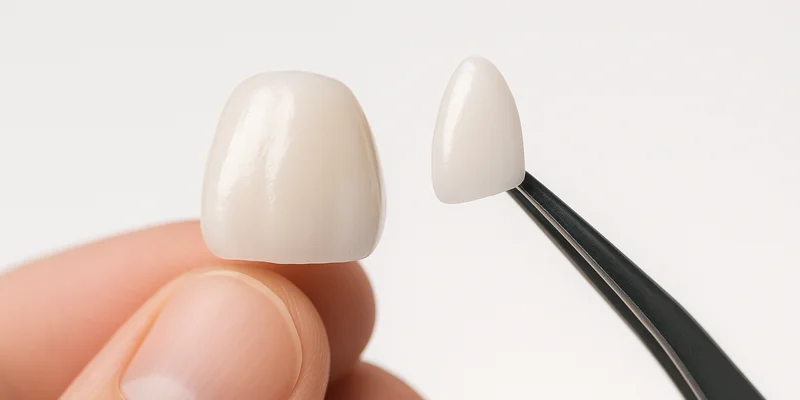
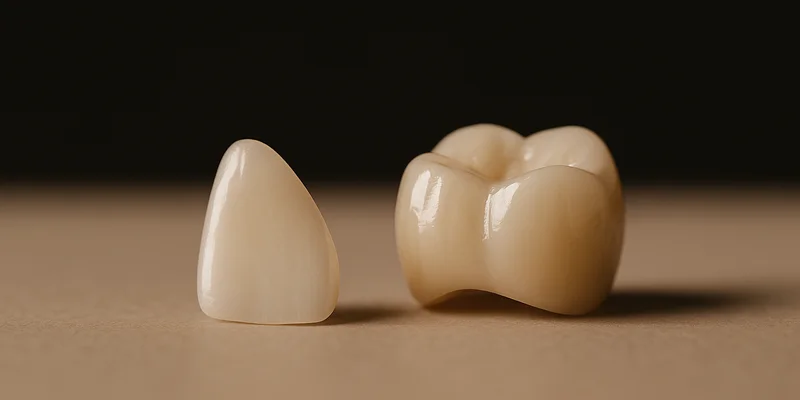
Veneers are thin shells that cover only the front surface of teeth for cosmetic correction, while crowns encase the entire tooth to restore both function and appearance. Crowns are essential for restoring biting strength and preserving teeth with large fractures or extensive fillings, preventing further breakage or discomfort.
Some patients find it helpful to see digital smile previews before deciding between these treatments, as visualizing the outcome can clarify which approach fits their goals. If you have compromised tooth structure, a crown often provides a sense of restored normalcy, letting you chew comfortably. Addressing these needs early on can help avoid more complex interventions.
Who Should Get Veneers and Who Needs Crowns?
Veneers are best for patients with healthy teeth seeking cosmetic changes, while crowns are necessary for teeth that are weakened, cracked, or have undergone root canal therapy.
We assess enamel thickness and overall gum health to determine if you’re a good candidate for veneers. If your tooth has already been treated with a root canal or has a crack that threatens its integrity, a crown is often the most reliable way to restore normal function and protect it from further damage. Acting promptly can help prevent needing more complex procedures later.
The Five Types of Veneers We Place — Traditional Porcelain, No-Prep Veneers, Lumineers, Feldspathic Veneers, Zirconia Veneers
Cupo Dental offers five types of veneers: traditional porcelain, no-prep veneers, Lumineers, feldspathic veneers, and zirconia veneers.
Patients seeking a subtle change with minimal alteration to their natural teeth often prefer no-prep veneers or Lumineers, which are generally thinner and require little to no enamel removal. In contrast, those who need greater durability, such as individuals with a history of clenching, may benefit from zirconia veneers because of their strength. Feldspathic veneers can provide a particularly lifelike, translucent appearance. Choosing the right type depends on your goals for durability, tooth preparation, and aesthetics; discussing your priorities during a consultation helps ensure the final result reflects your vision. According to the American Dental Association, traditional porcelain requires 0.3-0.5mm of enamel reduction.
How Does Cupo Dental Approach Veneers Vs Crowns?
At Cupo Dental, we choose between veneers and crowns by considering your goals, the condition of your teeth, and the most conservative way to achieve a beautiful, healthy result.
Every patient has a different vision—some prefer a subtle, natural enhancement, while others want a brighter, more dramatic change. We design each case around your individual goals, facial features, and personality. When spacing, crowding, or alignment is the main concern, our preference is to recommend Invisalign first to reposition the teeth, then evaluate veneers if needed. This conservative approach preserves more natural enamel and often leads to better cosmetic results.
We use veneers to improve color, shape, size, and small gaps, and bonding for minor chips or localized issues. Crowns are reserved for teeth that are weakened, have had a root canal, or have extensive bonding, because a crown provides full coverage and long-term strength. We never recommend veneers over active gum disease or untreated grinding—these must be addressed first, and we often provide a custom nightguard for grinders. Our approach is always to plan with considered design, tailoring each treatment to your needs while focusing on preserving natural tooth structure whenever possible.

How much do veneers and crowns cost in Miami Beach?
The cost of veneers and crowns in Miami Beach is determined by factors such as the material used (porcelain, zirconia, or IPS e.max), number of teeth, and complexity of the case. Insurance may help cover crowns if they are medically necessary, but veneers are usually considered cosmetic and are not typically covered. Financing options are available at Cupo Dental.
Your overall cost depends on the number of teeth treated and any necessary preparatory care. If you need treatments like gum therapy before restoration, this will be included in your plan. Insurance is more likely to support crowns for functional repairs, while veneers are generally out-of-pocket as elective procedures. Cupo Dental partners with CareCredit and Proceed to offer flexible payment solutions. After a thorough exam, you’ll receive a custom estimate based on your chosen materials and unique needs.
How to Decide: Choosing Between Veneers and Crowns
Choosing between veneers and crowns should be guided by a thorough dental evaluation of your tooth health, aesthetic goals, and functional needs.
A consultation includes a full assessment of your dental history and a conversation about your smile preferences. By clarifying whether your priorities are cosmetic, structural, or both, your dentist can recommend options that avoid unnecessary work and support your goals.
These discussions set clear expectations and give you a preview of your possible results. At Cupo Dental, we make sure you understand your choices so you can move forward with confidence.
What are the limitations of using veneers and crowns for dental treatment?
Veneers are unsuitable for teeth with severe damage or extensive decay, while crowns require significant tooth reduction and are unnecessary for minor cosmetic issues. Large fractures, significant decay, or prior root canal therapy necessitate crowns for support. Severely misaligned teeth need orthodontic treatment before considering veneers or crowns for optimal results.
If you present with gum disease or pronounced misalignment, our priority is to resolve those concerns before moving to cosmetic care, which leads to a more stable, lasting result.
It’s important to remember that even with restorations like veneers or crowns, brushing, flossing, and regular dental visits remain essential. These treatments don’t make teeth immune to decay or gum disease, so diligent care is still necessary.
Ready to Get Started in Miami Beach?
Have questions, or ready to schedule a visit? Our team is here to help. Contact Cupo Dental or call (305) 771-0839 to schedule your consultation.
Book an Appointment Online
Frequently Asked Questions
Can I Get Veneers If I Grind My Teeth?
Patients who grind their teeth (bruxism) are at higher risk of damaging veneers, but treatment is possible if the grinding is controlled. At Cupo Dental, we address grinding first—often with a custom nightguard—before proceeding with veneers to help protect your new smile and preserve your investment.
Will My Tooth Be Shaved Down For A Crown Or Veneer?
Both crowns and veneers require some preparation of the tooth, but veneers typically involve less reduction than crowns. The amount removed depends on your specific case and the type of veneer or crown chosen. We always aim to preserve as much healthy tooth structure as possible while achieving your desired result.
How Long Do Veneers And Crowns Typically Last?
With proper care and maintenance, both veneers and crowns can provide long-lasting results. According to the American Dental Association, these restorations often last for many years, but their lifespan depends on factors such as oral hygiene, bite forces, and material type. Regular dental checkups help maximize their longevity.
Are There Minimally Invasive Options For Improving My Smile?
Yes, options like no-prep veneers and dental bonding are suitable for some cosmetic concerns without major tooth reduction. For example, minor chips or discoloration may be addressed conservatively. Your dentist will recommend the best fit for your smile after evaluating your dental health and goals.
What Happens If A Veneer Or Crown Falls Off?
If a veneer or crown comes off, schedule a dental visit as soon as possible to reattach or replace it. In the meantime, avoid chewing on that side and keep the area clean. Using a cold compress and over-the-counter pain relief as directed can help manage discomfort until your appointment.
Can Veneers Or Crowns Be Whitened Later If I Want A Lighter Shade?
Veneers and crowns cannot be whitened with traditional <a href="https://drcupo.com/teeth-whitening.html">whitening</a> products. If you want a lighter shade in the future, the restoration would need to be replaced. It’s best to discuss your preferred color before beginning treatment, as bleaching after placement will not change their shade.
Do I Need A Root Canal Before Getting A Crown?
A root canal is only needed before a crown if the tooth’s nerve is compromised or infected. Many crowns are placed on teeth with large fillings or fractures that do not require root canal therapy. Your dentist will evaluate your tooth’s condition and advise on the appropriate treatment.
How Do I Care For Veneers Or Crowns After Placement?
After getting veneers or crowns, maintain them by brushing twice daily, flossing, and attending regular dental checkups. Avoid biting hard objects, and if you have a history of grinding, consider a nightguard. The underlying tooth can still develop decay or gum issues, so diligent care is important.
This article is for general informational purposes and does not constitute personalized dental advice. Your candidacy for any treatment requires a clinical evaluation by a qualified dentist. Individual results vary.