A cracked tooth can ruin your day in a hurry. One hard bite, a late-night grind, or a hit during a workout, and suddenly you're navigating sharp pain and worried about losing the tooth. The good news: in many cases, a well-placed crown can save it.
Types of Tooth Cracks and What They Mean
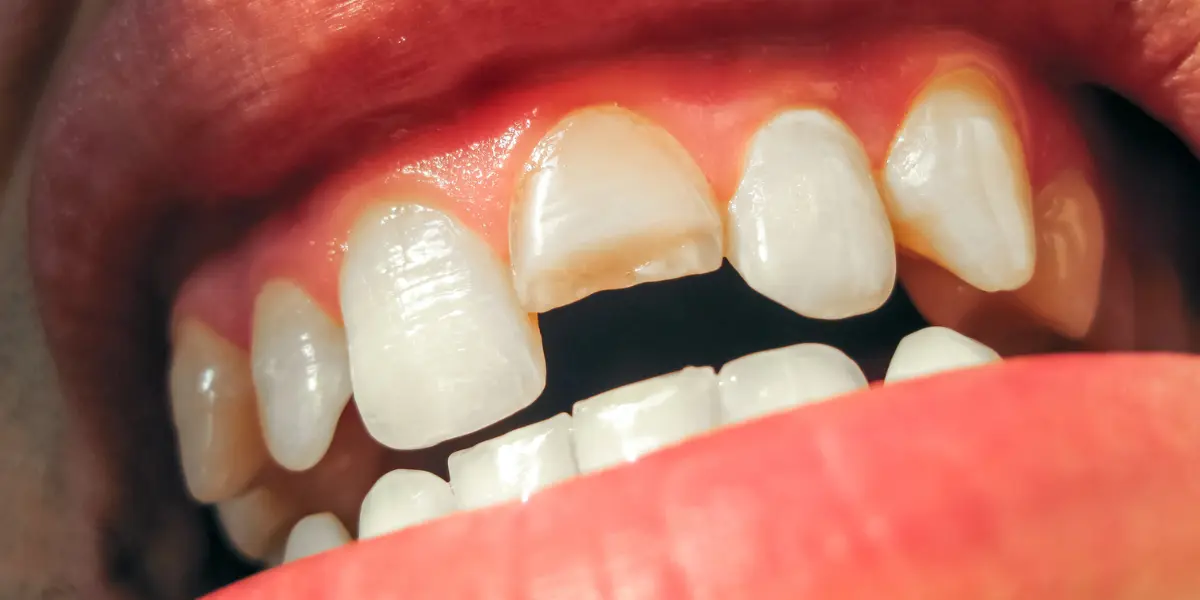
Not all cracks are equal. A hairline 'craze line' on the enamel is mostly cosmetic. A fractured cusp, a piece of the chewing surface broken off, usually needs a crown but doesn't always involve the nerve.
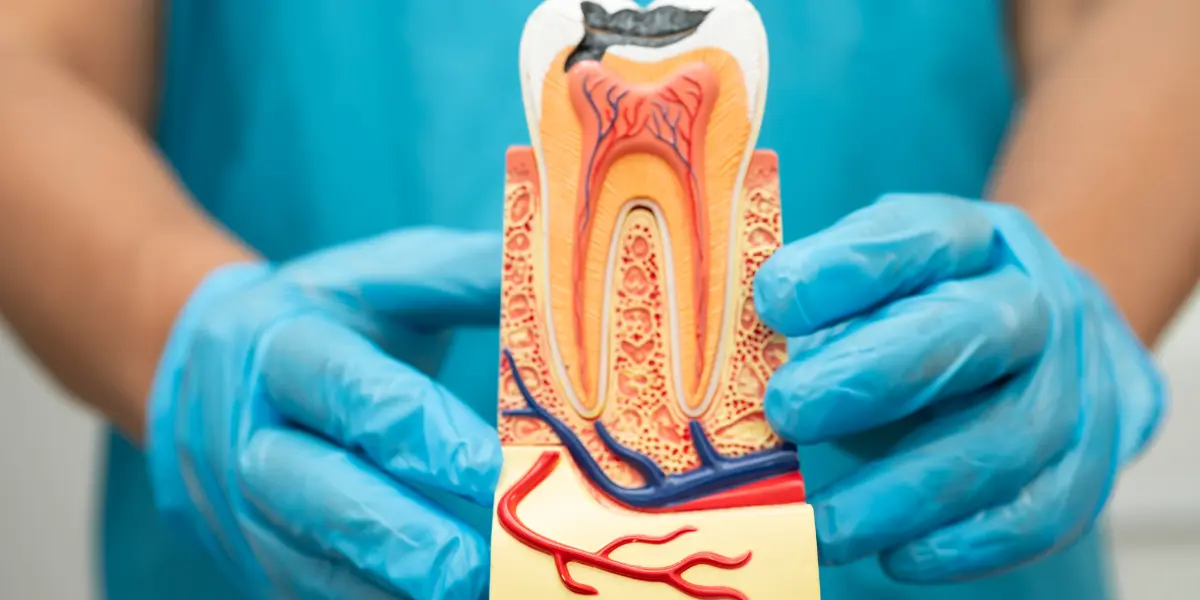
A cracked tooth that extends into the dentin or pulp is more serious. If the crack reaches the root, the tooth may not be savable. Vertical root fractures almost always require extraction.
When a Crown Is the Right Move
Crowns work beautifully when the crack is confined to the upper portion of the tooth and the root is healthy. The crown surrounds and supports the remaining tooth, preventing the crack from spreading and restoring full chewing strength.
Same-day temporary crowns can stabilize the tooth immediately, with a custom-shaded permanent crown placed at a follow-up visit.
Frequently Asked Questions
Can every cracked tooth be saved with a crown?
No. Cracks that extend below the gum line or reach the root often cannot be saved and may require extraction with implant or bridge replacement.
How quickly do I need to act?
As soon as possible. The longer a crack is exposed, the higher the risk of bacterial infection reaching the nerve.
Will a root canal be needed too?
Sometimes. If the crack has reached the pulp, root canal therapy is done before the crown is placed.
How long do crowns on cracked teeth last?
Properly placed crowns on cracked teeth commonly last 15 to 20 years or more with good care.