Many people believe that once braces come off, their orthodontic journey is finished. Then months or years later, they notice their teeth slowly shifting back. The good news: Invisalign is an excellent tool for correcting that relapse, without going back into traditional braces.
Why Teeth Shift After Braces
Teeth want to move. After braces come off, the bone and ligaments that held them in place are still settling. Without consistent retainer wear, teeth can drift back toward their original position over months or years.
Other factors contribute too: aging, tooth grinding, missing teeth that haven't been replaced, and even just normal pressure from your tongue and lips.
How Invisalign Corrects Post-Braces Relapse
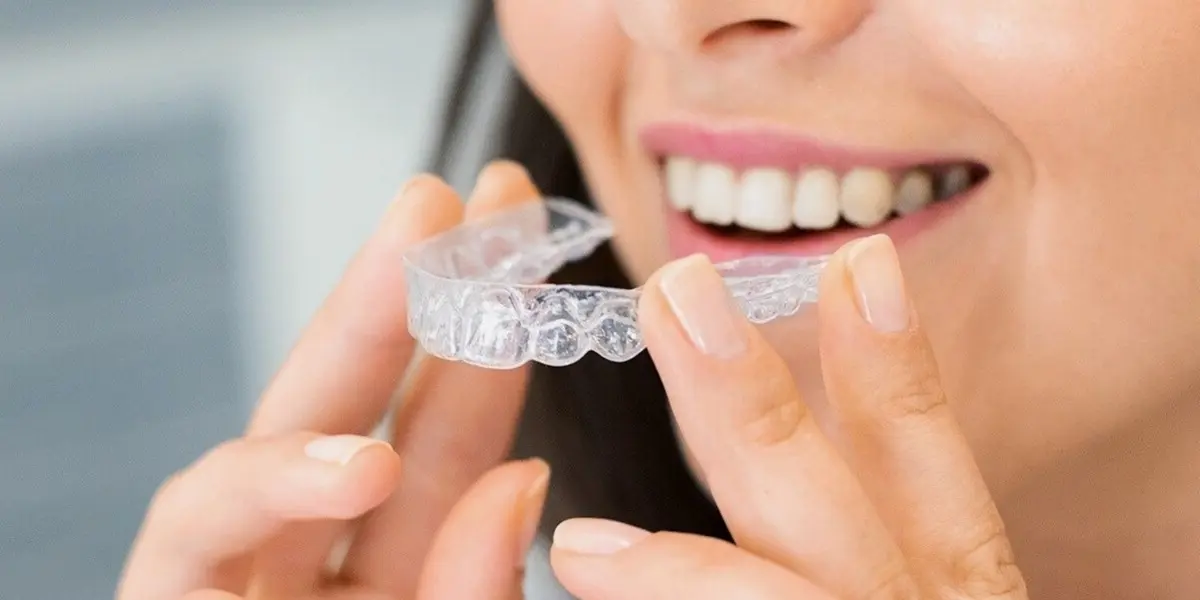
For most adults who had braces years ago and are seeing mild to moderate drift, Invisalign is the ideal solution. A short course of clear aligners, often 4 to 9 months, can restore the original result and protect the investment you already made.
After Invisalign treatment, we provide retainers and a clear maintenance plan so it doesn't happen again.
Frequently Asked Questions
How soon after braces can I start Invisalign?
Any time. Whether it's a few years or a few decades after braces, Invisalign can correct shifting that happened in the meantime.
How long does post-braces Invisalign take?
Most cases run 4 to 12 months depending on how much movement is needed.
Will I need attachments on my teeth?
Sometimes, small tooth-colored attachments help the aligners grip and move specific teeth. They're invisible and removed at the end.
Do I need retainers forever?
Yes, wearing retainers (at least nightly) is the only reliable way to prevent future drift.