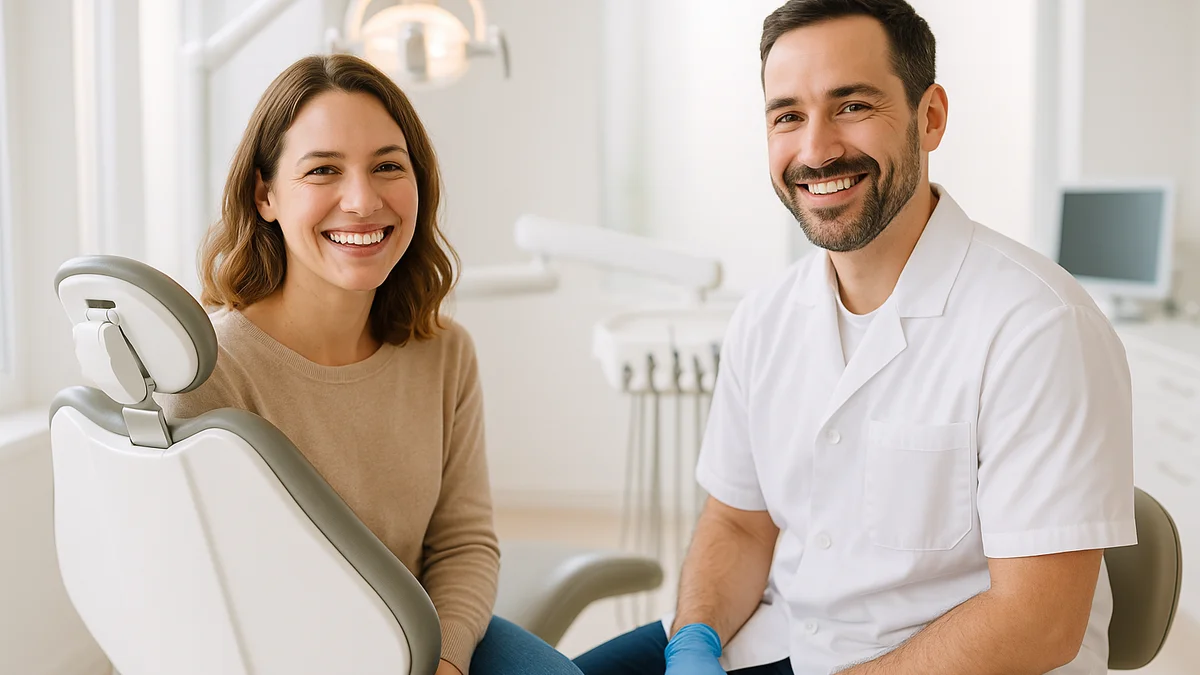
The cost of Invisalign in Miami Beach varies based on the complexity of your case, the amount of tooth movement needed, and the treatment plan selected. At Cupo Dental, we evaluate your teeth, bite, and treatment goals before providing a personalized estimate so you understand the expected cost and treatment timeline before getting started.
Key Takeaways
- The cost of Invisalign in Miami Beach depends on case complexity, treatment length, and the number of aligners required.
- Invisalign can treat many alignment and bite concerns, but candidacy depends on the specific tooth movements required, oral health, and ability to wear the aligners consistently.
- Certain complex tooth movements or bite problems may be more predictable with traditional braces or other orthodontic approaches.
- Cupo Dental offers CareCredit, Proceed Finance, and in-house financing for qualified patients to help make Invisalign more accessible.
What Are Invisalign Clear Aligners?
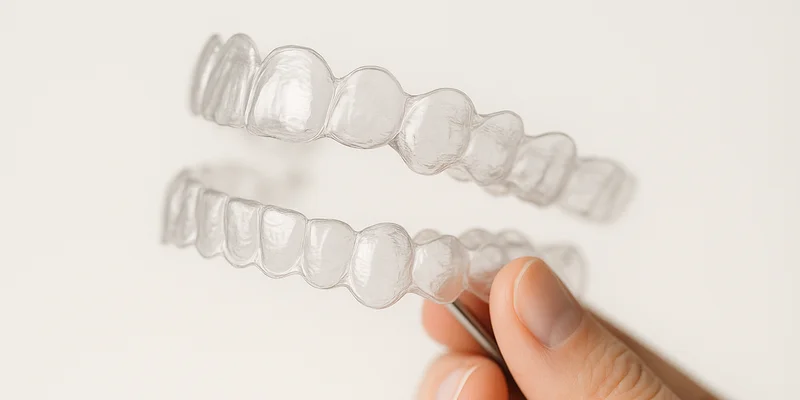
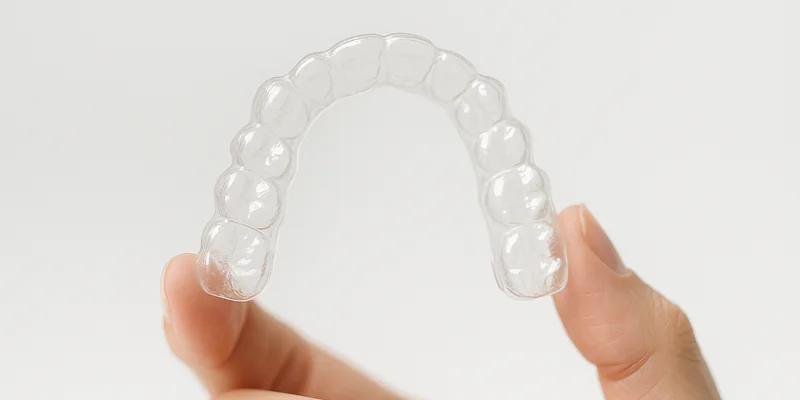
Invisalign clear aligners consist of a series of custom-made, removable plastic trays that apply controlled force to teeth, gradually shifting them into their ideal positions. Treatment time varies based on the amount and complexity of tooth movement required.
The smooth, transparent plastic fits closely and is barely noticeable in daily life. A new set of aligners is typically worn every one to two weeks, each set bringing the teeth closer to their final alignment.
This method allows for small, controlled movements at each stage, guided by your dentist’s expertise and digital planning tools. Unlike traditional braces, there are no brackets or wires. The biology behind it is straightforward: steady, gentle pressure from the aligners encourages the bone and gum tissue to adapt, allowing teeth to move safely and predictably within their natural anatomy. The full course spans several months, but the exact timeline depends on the degree of movement required.
How much does Invisalign cost in Miami Beach?
Invisalign typically costs about $3,000 to $7,000 nationally, depending on case complexity and the amount of tooth movement needed. With dental insurance, many Cupo Dental patients can pay as little as around $2,000. A personalized consultation gives you an exact estimate for your case before treatment begins.
Every smile is unique, so the best way to understand your Invisalign cost in Miami Beach is through a personalized consultation with our team. We will discuss your goals, assess your bite, and outline a tailored plan just for you.
Insurance coverage for Invisalign varies by provider and plan, so we encourage you to bring your dental insurance information for us to review. Without insurance, we keep pricing competitive, and CareCredit, Proceed Finance, and in-house financing are available for qualified patients so treatment fits a monthly budget.
How Invisalign Works: Trays, Attachments, and Elastics
Invisalign trays apply controlled forces to move the teeth gradually. Small tooth-colored attachments may be bonded to selected teeth to help the aligners grip more effectively and produce specific movements. Elastics may also be used when additional force is needed to improve certain bite relationships.
These small rubber bands connect specific points on the upper and lower teeth, applying targeted pressure to improve how the teeth fit together. Each component is planned specifically for your case, ensuring the process is tailored and effective.
Why do I need to wear Invisalign aligners for 20 to 22 hours a day?
Invisalign aligners must be worn for 20 to 22 hours daily to be effective. Teeth move only when the aligners are in place, so removing them too often can delay results. Aligners should only be taken out for eating, drinking non-water beverages, and cleaning your teeth to ensure steady progress.
In our experience, setting a simple daily routine makes it much easier to stay on track within the expected timeframe.
What Can't Invisalign Clear Aligners Correct?
Invisalign moves teeth but does not surgically reposition the jaws, so certain skeletal discrepancies may require additional orthodontic or surgical treatment. Additionally, cases involving advanced gum disease need periodontal health addressed first, as healthy gums are essential for successful orthodontic treatment.
If the underlying jaw structure requires major repositioning, or if the teeth need complex movements that demand more force and control, traditional braces or even surgical orthodontics can be more appropriate. Similarly, if gum health is compromised or a patient cannot commit to consistent aligner wear, alternative solutions are recommended. Our team will always assess your unique needs and guide you to the approach that offers the most predictable and healthy outcome.
What are the differences between Invisalign and traditional braces?
Both Invisalign and traditional braces can treat a range of orthodontic problems. Invisalign uses removable clear aligners, while braces use fixed brackets and wires. Certain complex tooth movements or bite problems may be more predictable with braces or other orthodontic approaches, while Invisalign can be an excellent option for appropriately selected patients who value removability and a discreet appearance.
Many adults and teens prefer Invisalign for its comfort, removability, and low profile. If your alignment goals are within what aligners can predictably achieve, they can be the more appealing option.
What is the difference between Invisalign clear aligners and veneers?
Invisalign changes tooth position, while veneers change characteristics such as tooth shape, proportion, and color. When tooth position is the primary concern, orthodontic treatment may allow us to improve alignment while preserving natural tooth structure. Veneers may then be considered when appropriate for remaining cosmetic concerns involving tooth shape, size, wear, chips, or color.
How long does Invisalign treatment take and what are the stages involved?
Invisalign treatment involves digital planning, an active aligner phase, and possible refinements. It starts with a digital scan and treatment plan, followed by wearing aligners for one to two weeks per set. Some patients finish in a few months, while others take longer, depending on complexity. Refinements can be necessary for final adjustments.
During the active phase, you’ll wear each set of aligners for about one to two weeks, visiting us periodically for progress checks and to receive new trays.
After the initial series, a refinement stage can be needed. This involves additional aligners to fine-tune your result if minor movements are still required. The process is methodical, with each step designed to achieve a balanced, beautiful, and healthy outcome.
Who Is a Good Candidate for Invisalign Clear Aligners?
Invisalign can treat many types of crowding, spacing, and bite concerns in appropriately selected adults and teens. Healthy teeth and gums and consistent aligner wear are important for treatment success. The complexity and predictability of the planned tooth movements help determine whether Invisalign or another orthodontic approach is most appropriate.
Our team assesses each patient individually to ensure that Invisalign will be both safe and effective for their needs.
How Does Cupo Dental Approach Invisalign?
At Cupo Dental, Invisalign treatment begins with understanding not only whether the teeth are crooked, but why they are positioned the way they are and how the bite should function when treatment is complete. We evaluate crowding, spacing, bite relationships, tooth position, gum health, and each patient's cosmetic goals before designing treatment. We tailor the treatment plan to the amount and complexity of tooth movement required rather than taking a one-size-fits-all approach.
When tooth position is the primary concern, we generally prefer to correct alignment before considering restorative cosmetic treatment. Moving natural teeth can often create a healthier foundation and may reduce how much restorative treatment is needed later. If concerns involving tooth shape, size, wear, chips, or color remain after alignment, treatments such as bonding or veneers can then be considered when appropriate.
What should I do if I'm considering Invisalign?
If you're considering Invisalign, schedule a consultation for a detailed assessment and custom treatment plan. During this appointment, digital scans will be taken, your bite evaluated, and aesthetic goals discussed. You'll review the proposed treatment timeline and financing options. Once you decide to proceed, aligners will be ordered and guidance provided throughout each stage.
Ready to Get Started in Miami Beach?
Have questions, or ready to schedule a visit? Our team is here to help. Contact Cupo Dental or call (305) 771-0839 to schedule your consultation.
Book an Appointment Online
Frequently Asked Questions
How Long Does Invisalign Take?
The length of Invisalign treatment depends on the complexity of the case and the desired tooth movement. Minor corrections can take just a few months, while moderate or more involved cases can require a year or longer. At your consultation, we will provide a tailored estimate based on your specific needs and alignment goals.
Is Invisalign Painful?
Most patients describe Invisalign as more comfortable than traditional braces, though some mild pressure or tenderness is common when starting a new set of aligners. This sensation fades within a few days. Over-the-counter pain relief or a cold compress can help manage any initial discomfort.
How Many Hours A Day Do I Have To Wear Them?
You must wear Invisalign aligners for 20 to 22 hours per day for the best results. Removing them for longer periods can slow progress, so it's important to keep them in except when eating, drinking (anything but water), or cleaning your teeth.
Can I Eat With Invisalign In?
No, you should remove your aligners before eating or drinking anything other than water. Invisalign aligners are designed to fit snugly over your teeth, and eating with them in can cause them to crack or become stained. This can compromise the effectiveness of the treatment. Removing the aligners also allows you to clean your teeth properly, preventing food particles from getting trapped and reducing the risk of cavities. Always brush your teeth and rinse your mouth thoroughly before reinserting your aligners to maintain optimal oral hygiene throughout your Invisalign journey.
Will My Insurance Cover Invisalign?
Some dental insurance plans include orthodontic benefits that may apply to Invisalign treatment. Coverage, eligibility requirements, lifetime orthodontic maximums, and patient responsibility vary by plan. Our team can review your benefits and help you understand what your specific plan may contribute toward treatment.
What's The Difference Between Invisalign And Other Clear Aligners?
Invisalign uses a proprietary system and material developed by Align Technology, and the treatment is closely monitored by a licensed dental professional. Other clear aligner brands may differ in fit, oversight, and customization. Your dentist will recommend the system best suited to your needs.
What Are Attachments And Do I Have To Have Them?
Attachments are small, tooth-colored shapes bonded to selected teeth to help the aligners produce specific movements more predictably. Not every patient needs the same number or placement of attachments. Whether attachments are needed depends on the movements planned for your individual treatment.
Why Do Some Invisalign Patients Need Elastics?
Elastics are sometimes used with Invisalign to help correct certain bite relationships by applying targeted force between the upper and lower teeth. If elastics are part of your treatment, your dentist will tell you how and when to wear them based on the movements being planned.
What Happens If I Lose An Aligner?
If you lose an aligner, contact our office as soon as possible. In many cases, you can be advised to move to the next tray or revert to the previous one temporarily. We will guide you on the safest way to stay on track and arrange a replacement if needed.
Will I Need A Retainer After?
Yes. Retention is an important part of maintaining the tooth positions achieved through Invisalign. Your dentist will recommend an appropriate retainer and wear schedule based on your treatment and individual needs.
Can Invisalign Fix My Bite?
Invisalign can improve many bite issues, such as mild to moderate overbites or crossbites, but severe bite corrections or skeletal discrepancies can require traditional braces or other treatments. We will assess your bite to determine the most effective approach for you.
Will My Teeth Shift Back After Invisalign?
Teeth naturally have a tendency to shift after orthodontic treatment, which is why long-term retainer wear is important. Your dentist will provide a retainer schedule based on your treatment and individual needs. Following those instructions helps preserve the alignment achieved with Invisalign over time.
Can I Drink Coffee With My Aligners In?
No, you should remove your aligners before drinking coffee or any beverage other than water. Drinking coffee while wearing aligners can cause staining due to the dark pigments in the coffee, which can discolor the clear trays, making them visible and less discreet. Additionally, the heat from coffee can warp the aligners, potentially altering their shape and compromising the fit. This can affect the effectiveness of the treatment. To maintain the integrity and appearance of your aligners, always remove them before consuming anything other than water.
How Is Dentist-Supervised Invisalign Different From Direct-To-Consumer Aligners?
Invisalign at Cupo Dental is planned and supervised by a dentist: an in-person examination, imaging when indicated, a treatment plan designed for your case, and progress monitored throughout treatment. Direct-to-consumer aligner programs vary in how much professional examination and ongoing monitoring they include, so ask how a provider evaluates your teeth and tracks progress before starting.
How Is Invisalign Different From Braces?
Invisalign aligners are removable and discreet, while braces use fixed brackets and wires. Both can treat a range of orthodontic problems, although certain movements or bite corrections may be more predictable with one approach than the other.
Will Invisalign Work For My Teen?
Invisalign is a popular option for teens who want a discreet treatment and are committed to wearing their aligners as instructed. Our team will evaluate your teen’s needs and discuss whether Invisalign is the right fit.
How Often Do I See The Dentist During Treatment?
The frequency of progress visits varies based on the treatment plan and how the teeth are responding. Your dentist will establish an appropriate monitoring schedule for your case.
What Is A Refinement And Is It Included?
A refinement is an additional set of aligners used after the initial treatment to fine-tune results. Refinements are common and can be included as part of your treatment plan, depending on your needs.
This article is for general informational purposes and does not constitute personalized dental advice. Your candidacy for any treatment requires a clinical evaluation by a qualified dentist. Individual results vary.