An overbite occurs when the upper front teeth overlap the lower front teeth beyond the normal 2 to 4mm range. While a slight overlap is natural, a deep or progressive overbite can affect your bite, jaw comfort, and overall smile.
What Causes an Overbite to Get Worse
Several factors contribute to a deepening overbite. Genetics play a significant role, as natural jaw structure is largely inherited. Teeth may also shift due to aging, bone loss, or missing teeth that were never replaced.
Habits such as thumb sucking, tongue thrusting, or chronic teeth grinding put uneven pressure on the bite and accelerate misalignment. Enamel erosion gradually changes how teeth contact each other, and persistent habits like nail biting add stress to the jaw over time.
Signs Your Overbite Is Getting Worse
Increased jaw pain and TMJ symptoms, persistent jaw discomfort, clicking, or popping, can point to a bite imbalance. Frequent headaches or neck pain are also common signs that uneven bite pressure is stressing the temporomandibular joint.
Watch for noticeable tooth wear and damage: front teeth becoming flat, chipped, or shorter, plus increased sensitivity to hot and cold. If your upper teeth begin covering a larger portion of your lower teeth, or your lower teeth shift in position as the bite deepens, the overbite is progressing.
Difficulty chewing or speaking, frequent biting of your cheek or tongue, or speech changes such as a lisp are also common signs.
Why Overbites Require Professional Treatment
Ignoring a worsening overbite creates a chain of oral health problems. Misaligned teeth are harder to clean thoroughly, leaving pockets where plaque accumulates and increasing the risk of decay and gum disease.
Excess bite pressure concentrated in the wrong areas can damage gum tissue and accelerate recession. A deep overbite can also subtly alter your facial profile, creating the appearance of a receding chin or unbalanced lower face.
Treatment Options
Braces remain one of the most reliable methods for moderate to severe overbite cases. They apply consistent, controlled pressure to guide teeth and the jaw into proper alignment.
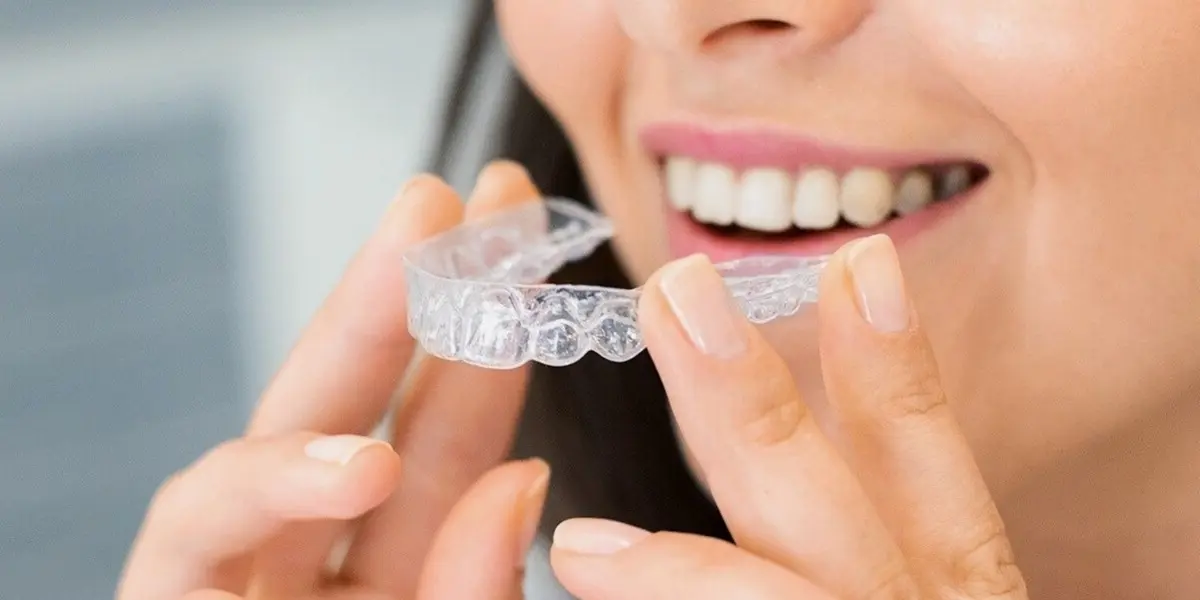
Invisalign clear aligners offer a discreet alternative for adults and teens with mild to moderate overbite. These removable trays gradually shift teeth into alignment without metal brackets. For complex cases, jaw alignment correction may combine multiple orthodontic techniques.
Frequently Asked Questions
How do I know if my overbite is getting worse?
Watch for increasing jaw pain, flat or worn-down front teeth, greater overlap between upper and lower teeth, and difficulty chewing.
Is it ever too late to fix an overbite with braces?
It is rarely too late. Adults successfully undergo overbite correction at all stages of life, though treatment timelines may differ from those for children or teens.
Will Invisalign work for an overbite?
Yes, for mild to moderate overbites. Severe cases may benefit more from traditional braces or combined approaches.
Is fixing an overbite worth it?
Correcting an overbite improves oral function, protects your teeth and gums, and enhances your smile's appearance, and reduces the risk of long-term jaw joint problems.