


A toothache that lingers for days is never a minor issue. It can signal a serious underlying problem, such as deep infection or structural tooth damage, that demands prompt attention. For families and individuals in the Miami Beach area, recognizing when to seek toothache emergency care versus scheduling a routine visit can protect your health, speed up recovery, and prevent costly complications. This guide walks you through the key warning signs, what to expect during emergency treatment, and how to take action before a small problem becomes a serious threat.
What Is a Persistent Toothache And Why It Matters

A persistent toothache is pain that lasts more than one or two days and does not fade with rest or basic over-the-counter remedies. Unlike brief sensitivity from eating something cold or sweet, ongoing pain typically indicates a deeper issue that requires professional evaluation.
Common Causes of Ongoing Tooth Pain
A persistent toothache most commonly results from deep decay that has reached the nerve, a cracked or broken tooth that exposes sensitive inner layers, or a gum infection that has progressed into the surrounding tissue. Each of these conditions worsens over time without treatment, and gum infections in particular may require specialized tooth infection treatment to prevent the bacteria from spreading.
Risks of Ignoring Tooth Pain
Putting off dental care when tooth pain is constant raises the risk of the infection traveling to your jaw, neck, or bloodstreama condition that becomes medically dangerous fast. What starts as a manageable dental problem can escalate to the point where emergency tooth extraction becomes the only viable solution. Delayed care also tends to result in higher treatment costs, longer recovery periods, and more invasive procedures overall.
Warning Signs of a Dental Emergency

Knowing which symptoms demand immediate action helps you avoid unnecessary delays and get the right care faster. The signs below should prompt you to contact an emergency dentist for tooth pain right away rather than waiting for a standard appointment.
Severe, Unrelenting Pain
Pain that disrupts your sleep, makes it difficult to eat, or does not respond to ibuprofen or acetaminophen is a clear sign that something serious is happening inside the tooth or surrounding tissue. This level of discomfort often points to nerve involvement or abscess formation and requires pain relief dental care that only a dentist can provide.
Swelling in Face, Jaw, or Gums
Facial or jaw swelling typically indicates an abscessa pocket of infection that needs immediate drainage and treatment. Left untreated, this swelling can progress toward the airway or spread into the neck, turning a dental problem into a life-threatening situation. This is one of the clearest signals that severe toothache treatment cannot wait.
A Better Smile Is Just One Call Away
Whether it’s preventive care or a full smile makeover, we’re ready when you are.
Fever or Chills
A fever above 100.4°F (38°C) alongside tooth pain suggests that the infection is no longer contained to the tooth and has begun affecting your body systemically. This combination warrants a same-day urgent dental consultation to determine whether antibiotics or more immediate intervention are needed.
Foul Taste or Pus
A persistent bad taste in your mouth or visible pus near a tooth or in your gums typically means an abscess has ruptured or is actively draining. This requires a thorough dental X ray diagnosis to assess how far the infection has spread and what treatment is needed to eliminate it completely.
Loose or Knocked-Out Adult Tooth
If an adult tooth has been knocked out or has become noticeably loose following an injury, time is critical. Re-implantation is most successful within 30 to 60 minutes of the injury, and a same-day emergency dental exam gives you the best chance of saving the tooth and restoring normal function.
Uncontrolled Bleeding
Bleeding from the mouth or gums that does not stop after applying gentle pressure for 15 to 20 minutes may indicate trauma, advanced infection, or a clotting issue. This requires prompt professional evaluation, as uncontrolled bleeding is rarely something that resolves on its own.
When to Go to the ER vs. an Emergency Dentist
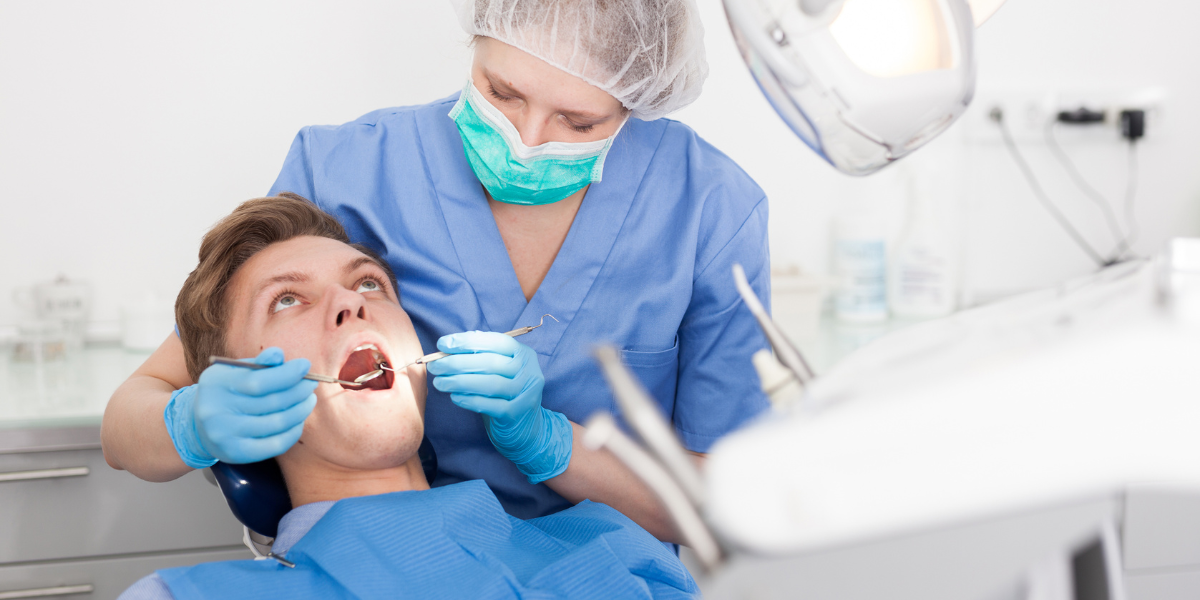
Not every dental emergency is the same, and knowing where to go first can save valuable time.
Go to the Emergency Room Immediately If You Have:
- Difficulty breathing or swallowing due to swelling in the throat or neck
- An infection that appears to be spreading toward your eye, neck, or chest
- Severe facial trauma or swelling that developed rapidly
- Signs of systemic infection, such as high fever, confusion, or rapid heart ratepossible indicators of sepsis
Call an Emergency Dentist First If You Have:
- Persistent tooth pain without any breathing or swallowing issues
- A broken, cracked, or abscessed tooth that needs same-day evaluation
- A need for a fast emergency dental exam or targeted severe toothache treatment
What to Expect During an Emergency Dental Visit

Walking into an emergency dental appointment when you are in pain can feel overwhelming, but modern practices are equipped to assess and treat most issues quickly and comfortably.
Emergency Dental Exam and Diagnosis
The visit begins with a comprehensive examination of the affected area, including a complete dental X ray diagnosis that identifies root causes not visible to the naked eye, such as bone loss, abscess depth, or nerve involvement. This information guides every treatment decision made during the visit.
Immediate Pain Relief
Once the source of your pain is identified, your dentist will focus on getting you comfortable as quickly as possible. Pain relief dental care at the emergency level typically involves local anesthesia to numb the area and may include draining an abscess or removing the source of irritation before moving forward with longer-term treatment.
Same-Day Treatment Solutions
Depending on the diagnosis, many issues can be stabilized during the same visit, including temporary restoration of broken teeth, antibiotic therapy for infections, or beginning a root canal procedure. If more extensive work is required, your provider will outline a clear follow-up plan so you leave with both immediate relief and a path forward.
Treatment Options for Severe Toothaches

Treatment varies based on what is causing the pain, but the goal is always to relieve discomfort, eliminate infection, and preserve your natural teeth whenever possible.
Root Canal Treatment
When the inner pulp of a tooth becomes infected, root canal treatment removes the damaged tissue, cleans the canal, and seals the tooth to prevent reinfection. This procedure has a strong success rate and is often the preferred option for saving a tooth that would otherwise require extraction.
Emergency Tooth Extraction
When a tooth is too damaged or infected to save, emergency tooth extraction removes it quickly to stop the spread of bacteria. Extraction is always a last resort, but when it is the right choice, it provides fast relief and protects surrounding teeth and tissue.
Infection Management
For abscesses and spreading infections, antibiotics are often prescribed alongside drainage of the affected area. A full tooth infection treatment plan may include follow-up visits to confirm the infection has cleared and to plan for any restorative work.
Immediate Actions While Waiting for Care

While you wait for your emergency appointment, a few simple steps can help reduce your discomfort.
Rinse with Warm Salt Water
A warm saltwater rinse helps cleanse the area around the painful tooth and soothes irritated gum tissue. Mix half a teaspoon of salt in a glass of warm water and rinse gently two to three times.
Apply a Cold Compress
Applying a cold compress to the outside of your cheek for 15 to 20 minutes at a time can reduce swelling and temporarily dull pain signals. Wrap ice in a cloth to protect your skin.
Use Over-the-Counter Pain Relief
Ibuprofen or acetaminophen can help manage discomfort until your appointment. Avoid placing aspirin directly on your gums, as this can cause chemical burns to the soft tissue rather than providing relief.
Preventing Future Dental Emergencies
Most dental emergencies are avoidable with consistent preventive care and early intervention.
Routine Checkups and Cleanings
Regular checkups allow your dentist to identify decay, cracks, and early signs of infection through exams and dental X ray diagnosis before they progress into emergencies requiring urgent care.
A Better Smile Is Just One Call Away
Whether it’s preventive care or a full smile makeover, we’re ready when you are.
Address Problems Early
A small cavity treated today prevents the deep infection that causes a toothache emergency care situation tomorrow. When your dentist recommends a filling, crown, or other procedure, acting promptly saves you time, money, and discomfort down the road.
Maintain Strong Oral Hygiene Habits
Brushing twice daily, flossing regularly, and limiting sugary foods significantly reduces the bacterial load in your mouth. Strong daily habits are the foundation of a healthy smile that is less prone to sudden, painful problems.
Don’t Ignore the SignsAct Early
Waiting to see if tooth pain resolves on its own is a risky approach that often leads to more serious consequences.
When to Call Immediately
Reach out to a dental provider if pain has lasted more than one to two days, if you notice swelling or fever, or if symptoms are getting worse rather than better. Early action almost always results in simpler, faster treatment.
Benefits of Prompt Treatment
Seeking an urgent dental consultation at the first sign of a serious problem leads to faster relief, less invasive procedures, and better long-term outcomes. Patients who act early are far less likely to require complex surgical interventions.
Why Choose Cupo Dental for Emergency and Ongoing Care
Cupo Dental provides compassionate, patient-centered care for individuals and families throughout the Miami Beach area. Our team combines clinical experience, modern technology, and a comfort-focused environment to deliver results that last.
Comprehensive Care Under One Roof
From emergency dental exams to advanced restorative procedures, we handle it all in one location. Our services include fillings, crowns, implants, Invisalign, veneers, and root canal treatmentso you never have to be referred elsewhere for complete care.
Fast, Same-Day Emergency Appointments
We prioritize patients in pain and offer same-day scheduling for urgent cases. Our goal is to provide immediate pain relief dental care and accurate diagnosis using advanced digital imaging so you leave with both answers and relief.
Personalized, Comfortable Experience
We take time to listen to your concerns, explain your options clearly, and create a treatment plan tailored to your specific needs. Our office is designed to minimize anxiety and make every visit as stress-free as possible.
Long-Term Solutions, Not Just Quick Fixes
We treat the source of your problem, not just the symptoms. Our approach helps prevent future dental emergencies and supports a healthier mouth for years to come.
Conclusion
A persistent toothache, especially one accompanied by swelling, fever, or unrelenting pain, should never be dismissed or delayed. Acting promptly protects your overall health, prevents the spread of infection, and puts you on the fastest path to recovery. The team at Cupo Dental is ready to provide expert, compassionate emergency and long-term dental care in the Miami Beach area. Call us today to schedule your same-day appointment and get the relief you need right now.
Frequently Asked Questions About Toothache Emergencies
At What Point Should I Go to the ER for a Toothache?
Head to the emergency room if you are experiencing difficulty breathing or swallowing, severe facial swelling, or signs that an infection is spreading beyond your mouth. For all other urgent dental issues, contacting an emergency dentist for tooth pain will get you faster, more targeted treatment than a hospital ER can provide.
How Can I Tell If a Tooth Infection Is Turning Into Sepsis?
Warning signs of sepsis include a high fever, rapid heart rate, confusion, and swelling that is spreading visibly across your face or neck. These symptoms represent a medical emergency, and you should call 911 or go directly to the nearest emergency room without delay.
How Do I Know If a Toothache Is Life-Threatening?
Swelling that spreads toward the throat or eyes, a fever that does not respond to medication, or difficulty breathing alongside tooth pain are all signs that your situation may be life-threatening. These symptoms require immediate toothache emergency care and should not be managed at home.
How Long Can You Live with a Tooth Infection?
An untreated tooth infection can worsen significantly over the course of days to weeks. If the bacteria enter the bloodstream, the infection can become life-threatening. Early tooth infection treatment is critical to preventing serious systemic complications and protecting your overall health.