Dental crowns help restore strength, function, and appearance to damaged teeth. Still, some people feel discomfort after the procedure, and that can interfere with daily routines and simple activities like eating or speaking.
What's Normal vs. What's Concerning
Mild sensitivity is common during the first few days after crown placement. You may notice discomfort when eating hot or cold foods or when biting down. This happens as the tooth and surrounding tissue adjust to the new crown.
However, pain that becomes stronger over time or feels sharp and constant may signal a problem. Discomfort while chewing or a throbbing sensation often indicates issues like bite misalignment, infection, or nerve irritation.
Top Reasons Your Crown Might Hurt
High bite (improper fit): The crown sits slightly higher than the surrounding teeth, creating uneven pressure when chewing. A quick dental crown adjustment can correct alignment and bring immediate relief.
Nerve inflammation or irritation: During preparation, the nerve inside the tooth can become irritated, causing sensitivity to temperature or pressure. Usually improves on its own.
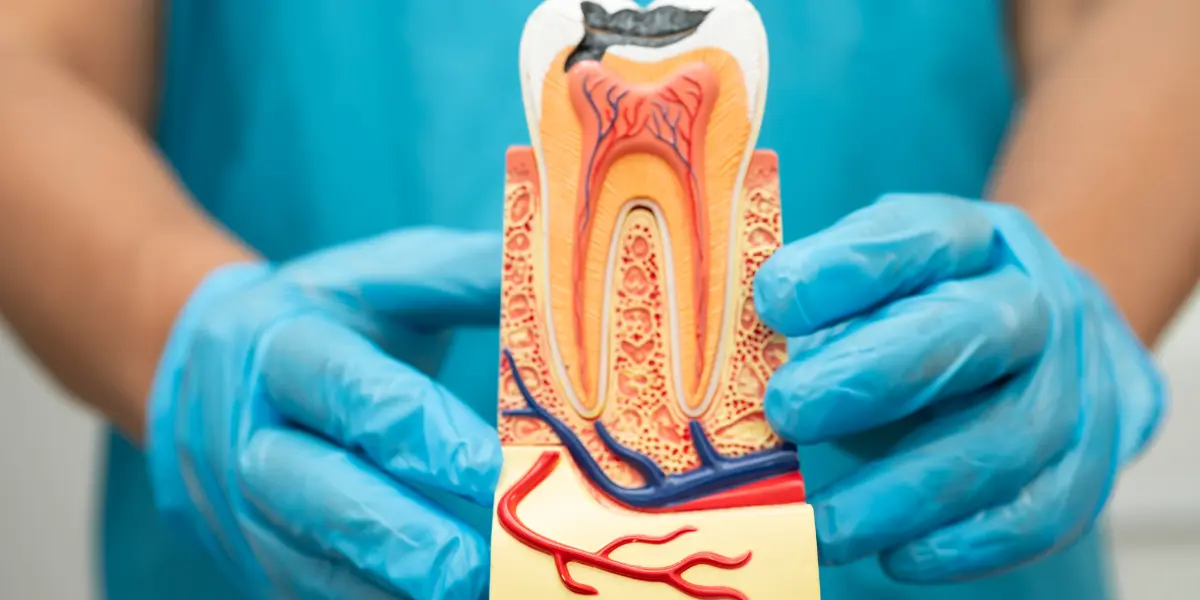
Decay under the crown: If bacteria enter beneath the crown, decay can develop. Gum recession can expose the root of the tooth near the crown, causing sensitivity. Bruxism (teeth grinding) places extra pressure that can cause pain and long-term damage if left untreated.
How to Stop Dental Crown Pain at Home
Over-the-counter pain relievers like ibuprofen or acetaminophen can help reduce inflammation. Rinsing with warm saltwater soothes irritated gums.
Avoid hot, cold, and hard foods during the healing period. Desensitizing toothpaste can help block pain signals from reaching the nerve when used regularly.
When to See a Dentist for Crown Pain
Pain that lasts several days or becomes stronger should not be ignored. Discomfort while chewing usually points to bite misalignment or internal tooth problems.
Swelling, fever, or a bad taste may signal infection. A loose or cracked crown needs immediate attention. Treatment options include crown adjustment, addressing underlying infection or decay, or crown repair/replacement.
Frequently Asked Questions
How can I stop my crown from hurting?
Start with pain relievers, avoiding hot or cold foods, and rinsing with saltwater. If discomfort continues, visit us for evaluation and a possible dental crown adjustment.
Can a crown cause TMJ?
Yes, a crown can affect bite alignment and lead to jaw discomfort. We can assess your bite and perform an adjustment if needed.
Should I be worried if my crown hurts?
Mild discomfort can happen at first, but ongoing or sharp pain needs attention. Contact us if symptoms worsen.
How long do dental crowns last?
With proper care, crowns commonly last 15 to 20 years or more.